
From Imports to Local Production in Iraq: Two 600 kg/h Short-Cut Lines in Two Factories
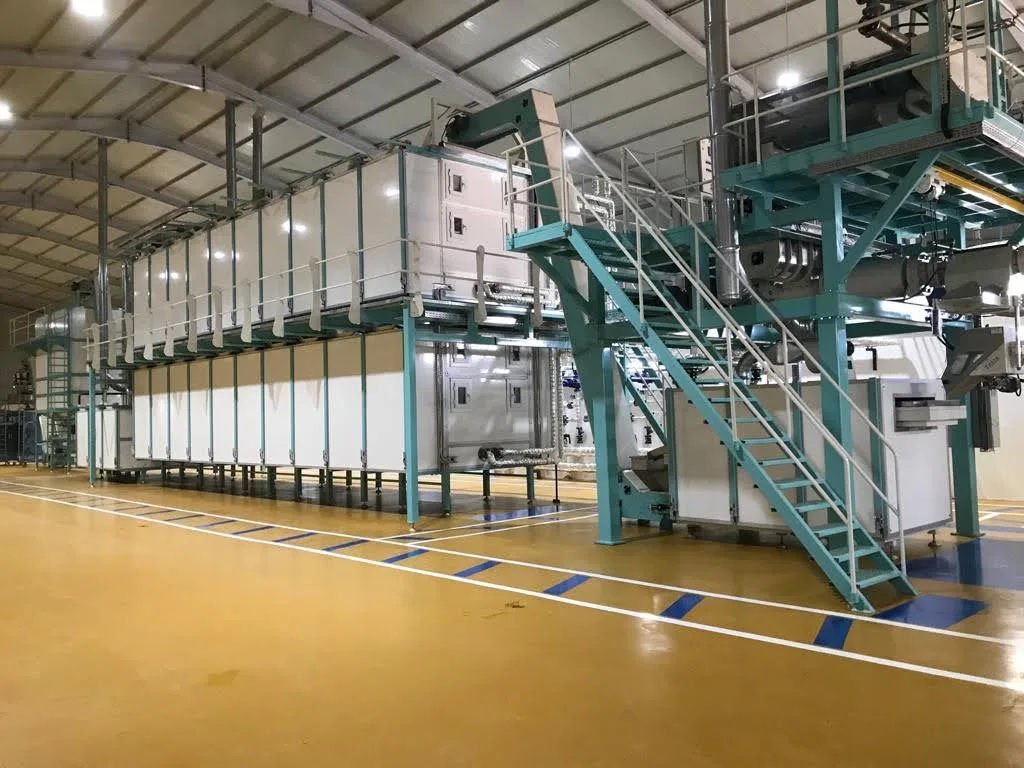
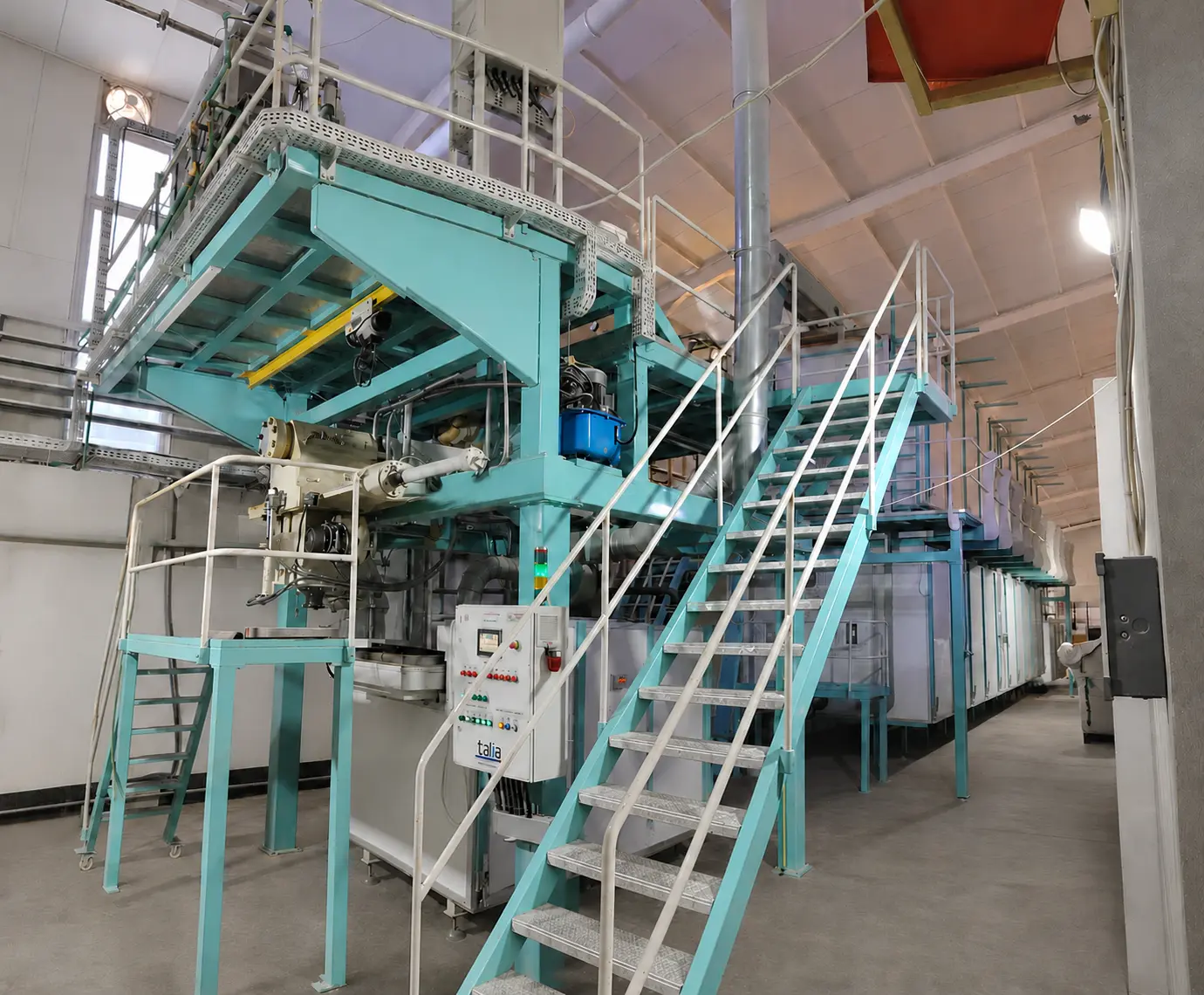
Two of Iraq's leading food wholesalers spent years importing pasta and selling it through their own distribution networks — today they produce it themselves. The two independent investors commissioned Talia Makina's 600 kg/h turnkey short-cut lines in 2020 and 2022; both now produce and sell pasta under their own brands.
The Two Factories at a Glance
Project Story
For many years, pasta in the Iraqi market was largely supplied by imports. Two of the country's leading food wholesalers were part of that picture: they imported pasta from abroad and sold it nationwide through their own distribution networks.
Both companies saw the same truth: with a product they already sold and a ready distribution network, producing pasta themselves would bring both the margin and the brand in-house. Both decided to enter pasta production from scratch and chose Talia Makina as their line supplier.
The first investor commissioned its 600 kg/h turnkey short-cut line in 2020, the second in 2022: line design, manufacturing, shipment, on-site installation, commissioning and operator training were handled from a single source in both projects. Teams starting from zero reached consistent quality quickly thanks to hands-on training and production supervision during commissioning.
The lines run on Siemens PLC-based automation with Yaskawa components in the panels. All product-contact surfaces are made of food-grade AISI 304 stainless steel. Both lines produce a wide range of short-cut shapes led by fusilli, penne, elbow macaroni and shells; total installed capacity is 1,200 kg/h — theoretically 28.8 tons per day in continuous operation.
Today the picture has reversed: both producers now produce the pasta they once imported and sold under other brands — in their own country, under their own brands. The warranty periods have been completed; remote support and spare-parts supply continue without interruption. Iraq's proximity to Türkiye is an advantage here as well: fast road access from our production base in Gaziantep means spare parts are delivered quickly and the technical team reaches the site in a short time when needed.
Since 2007 we have delivered turnkey pasta factory installations in 18 countries. Like the investors entering the industry from scratch in Kyrgyzstan (2008) and Georgia (2021), Iraq's two food wholesalers (2020 and 2022) moved from imports to their own production with our turnkey model.
Project Fact Sheet
Turnkey Project Steps
Project Results
Frequently Asked Questions
How is a pasta production line installed in Iraq?
Project planning, line design, manufacturing, shipment, on-site installation, commissioning and operator training are delivered turnkey from a single source. The full scope was applied in both Iraqi installations; the lines entered production in 2020 and 2022.
What capacities were installed in Iraq?
Two 600 kg/h short-cut lines were installed in two separate factories; total installed capacity is 1,200 kg/h. In continuous operation the theoretical total reaches 28.8 tons per day.
Which pasta shapes are produced?
A wide range of short-cut shapes is produced, led by fusilli, penne, elbow macaroni and shells; a round-die change yields more than 30 shapes on the same line.
Should a food wholesaler that imports pasta move into production?
For a wholesaler with a ready distribution network and market knowledge, moving into production is one of the most natural growth steps: the product is already selling and the network is in place; with production, the margin and the brand also move in-house. Iraq's two major food wholesalers did exactly that in 2020 and 2022.
What is the advantage of producing under your own brand versus importing?
With imports, the brand and much of the margin stay with the overseas producer; with your own production, the product, brand equity and price control move to your company, and supply security increases. The two Iraqi producers now produce the pasta they once sold under other brands — under their own brands.
Can a team with no pasta experience operate the line?
Yes. During commissioning, hands-on operator training is delivered on site and the first production period is supervised; since production parameters are stored in PLC recipes, product quality does not depend on operator experience. Both Iraqi factories reached consistent production quickly with teams starting from zero.
What automation infrastructure do the lines use?
Siemens PLC-based automation with Yaskawa components in the panels. Process and recipe management from raw-material dosing to drying runs automatically.
What do the warranty and after-sales support cover?
All lines are delivered with a 24-month standard warranty. In both Iraqi projects the warranty periods have been completed; remote support and spare-parts supply continue without interruption.
What is the service advantage in countries neighboring Türkiye?
In neighboring markets like Iraq, geographic proximity is a major advantage: thanks to fast road access from our production base in Gaziantep, spare parts are delivered quickly and the technical team reaches the site in a short time when needed. Remote support over the Siemens PLC infrastructure is always available.
Thinking of moving from pasta imports to your own production?
Discuss capacity selection and line layout with our team.