Which pasta production lines does Talia Makina manufacture?
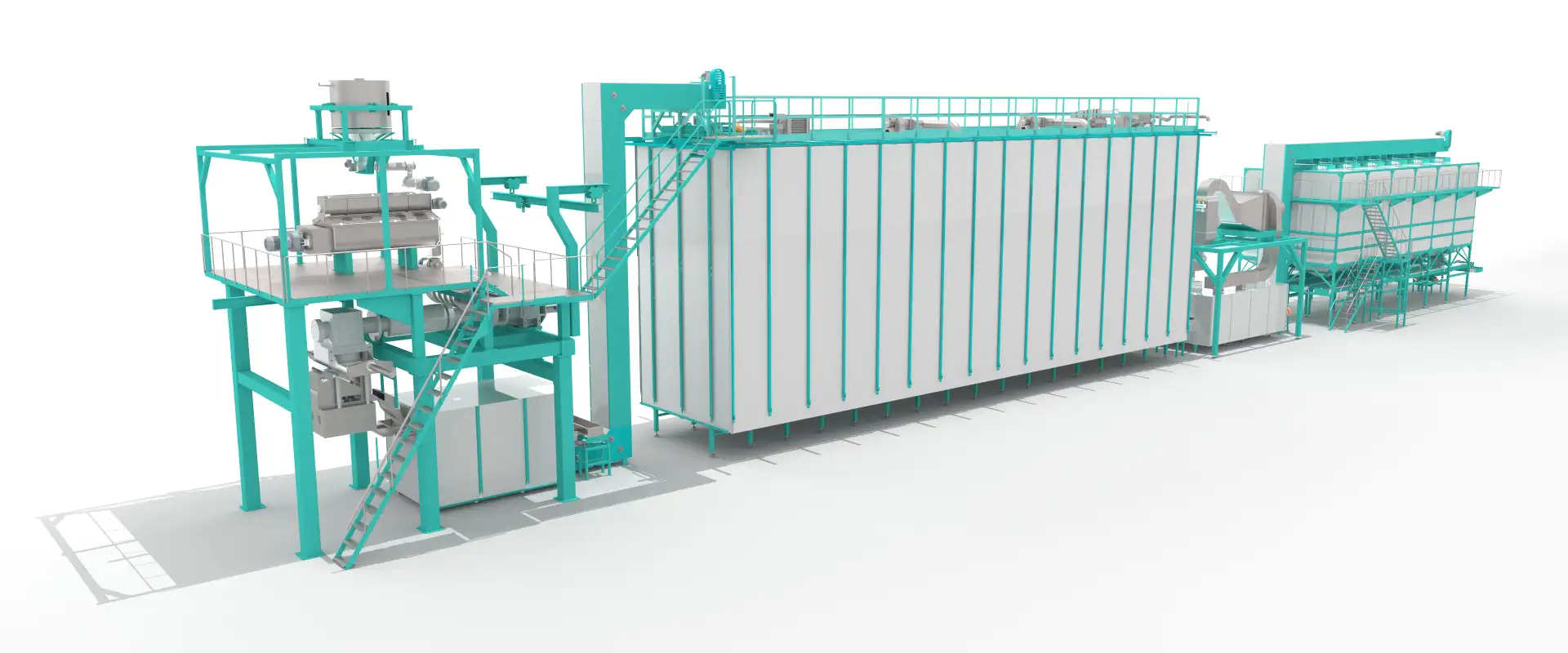
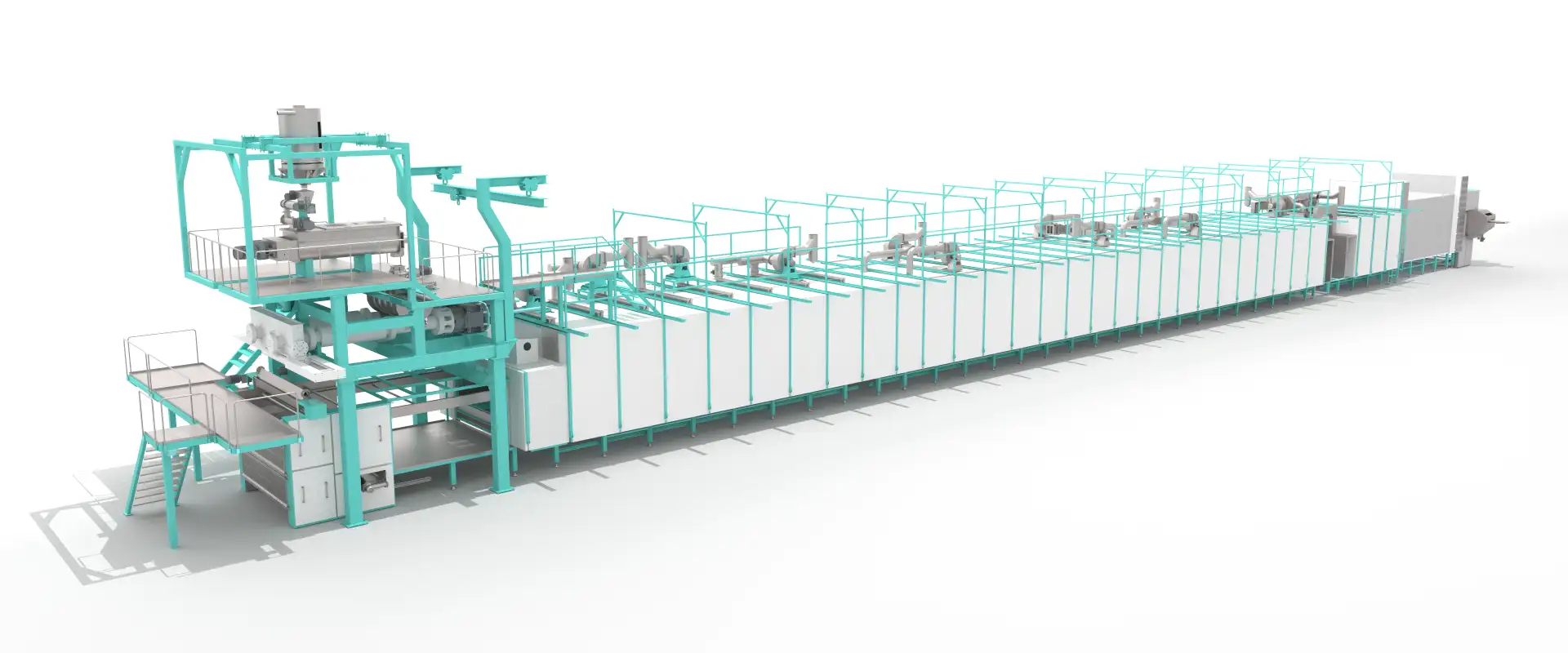
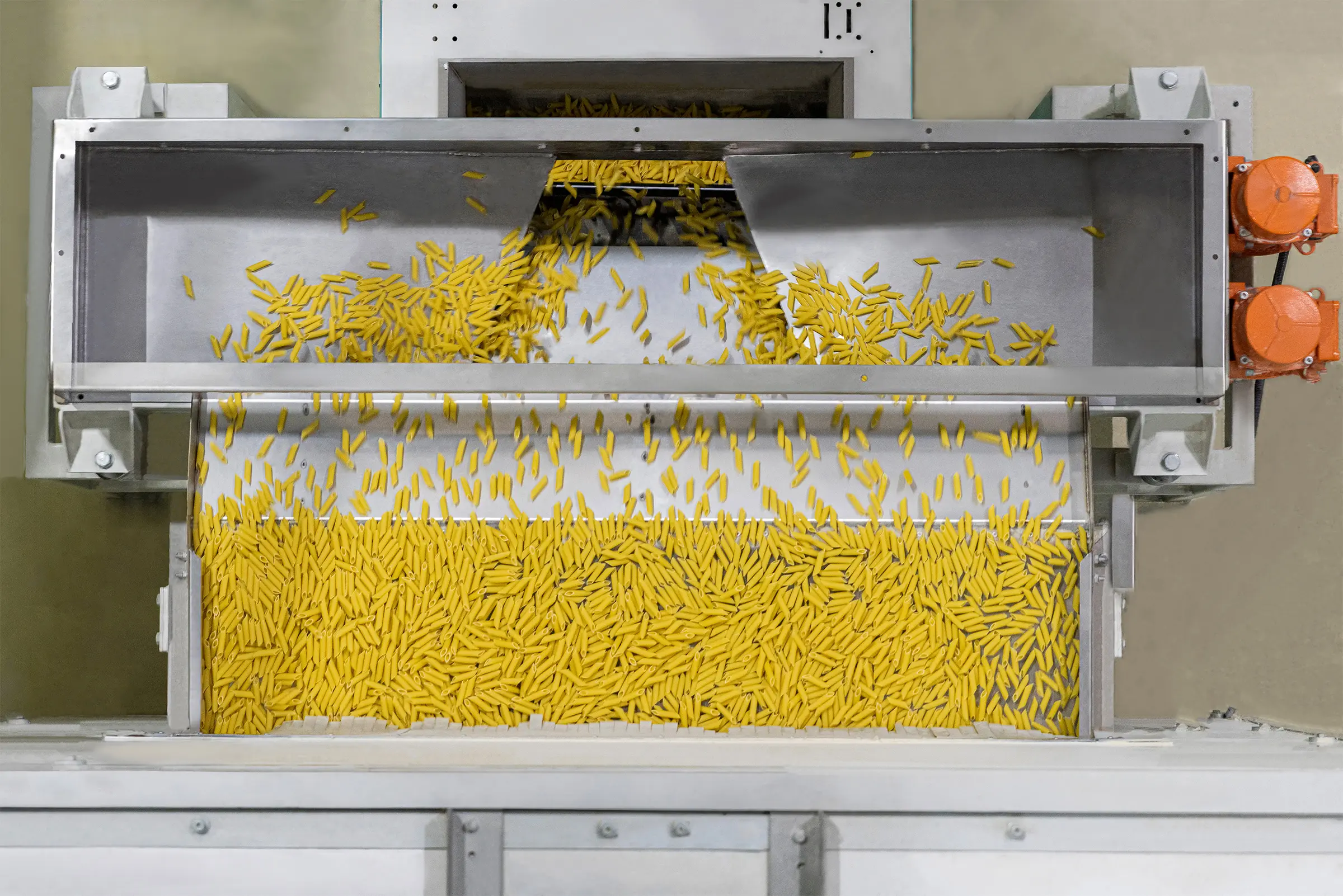
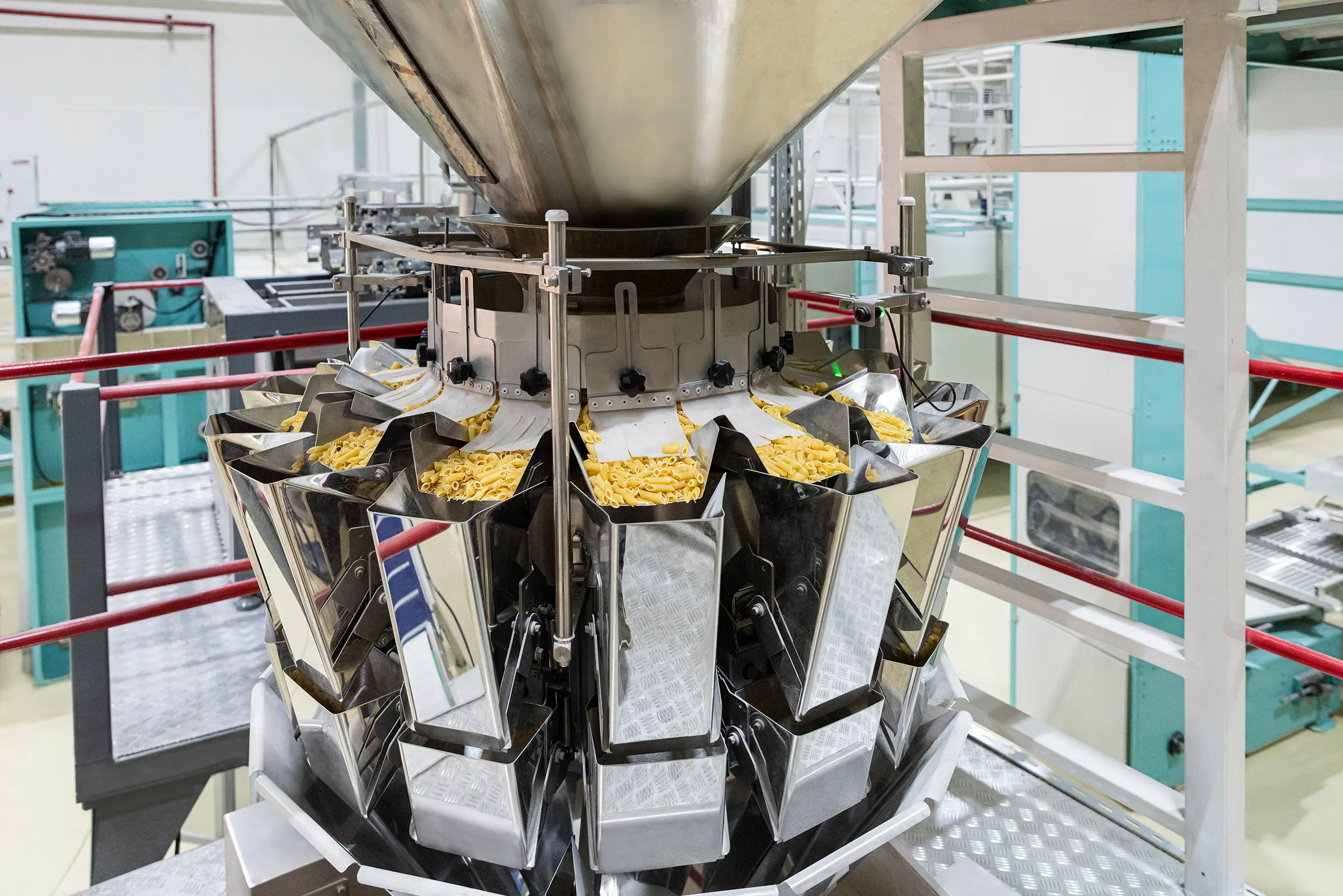
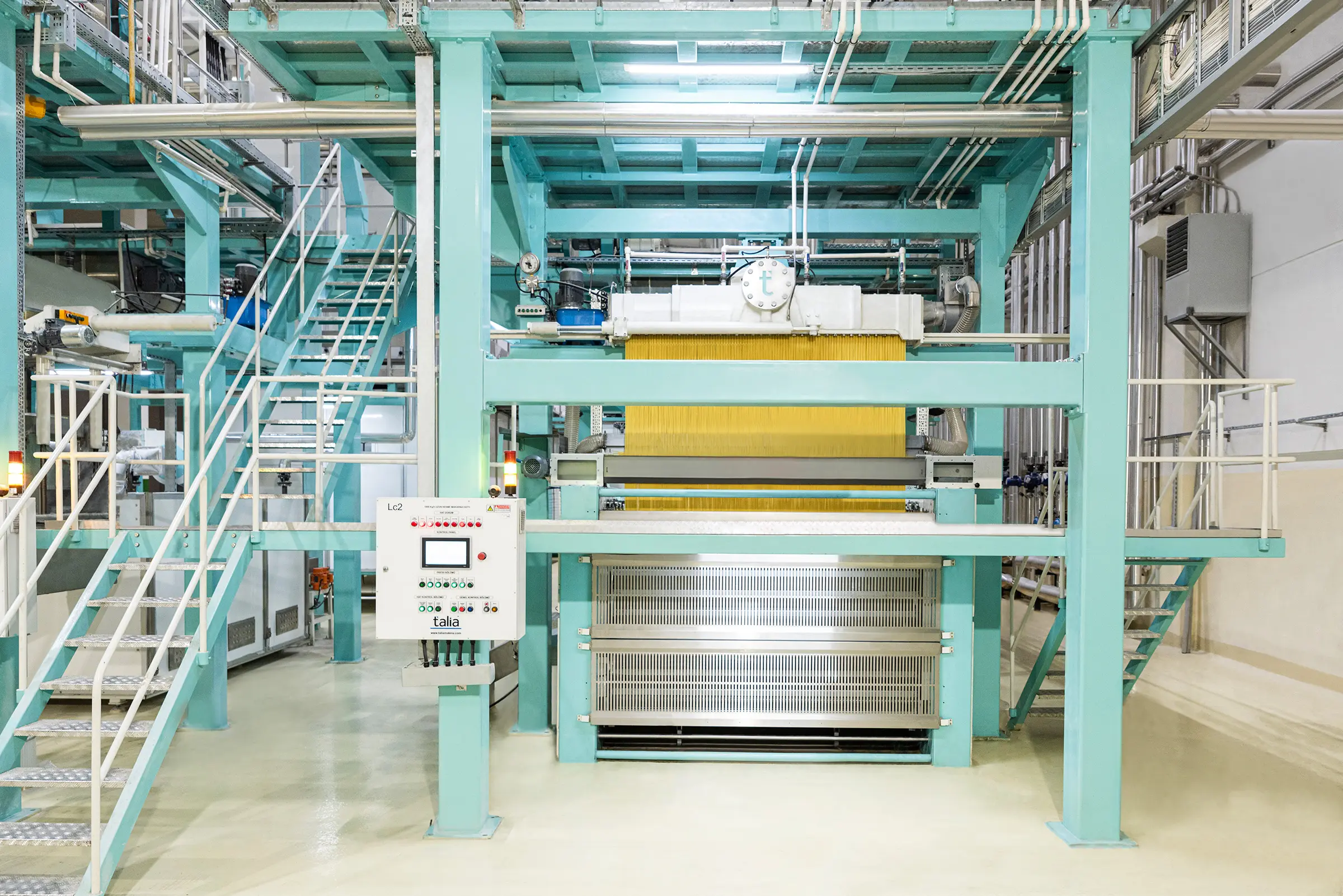
Talia Makina manufactures two main lines: a short-cut pasta production line and a long-cut (spaghetti) pasta production line. The short-cut line is engineered from 500–6,000 kg/h and the long-cut line from 500–4,000 kg/h. Both are offered as turnkey solutions.
What is the main difference between short-cut and long-cut pasta lines?
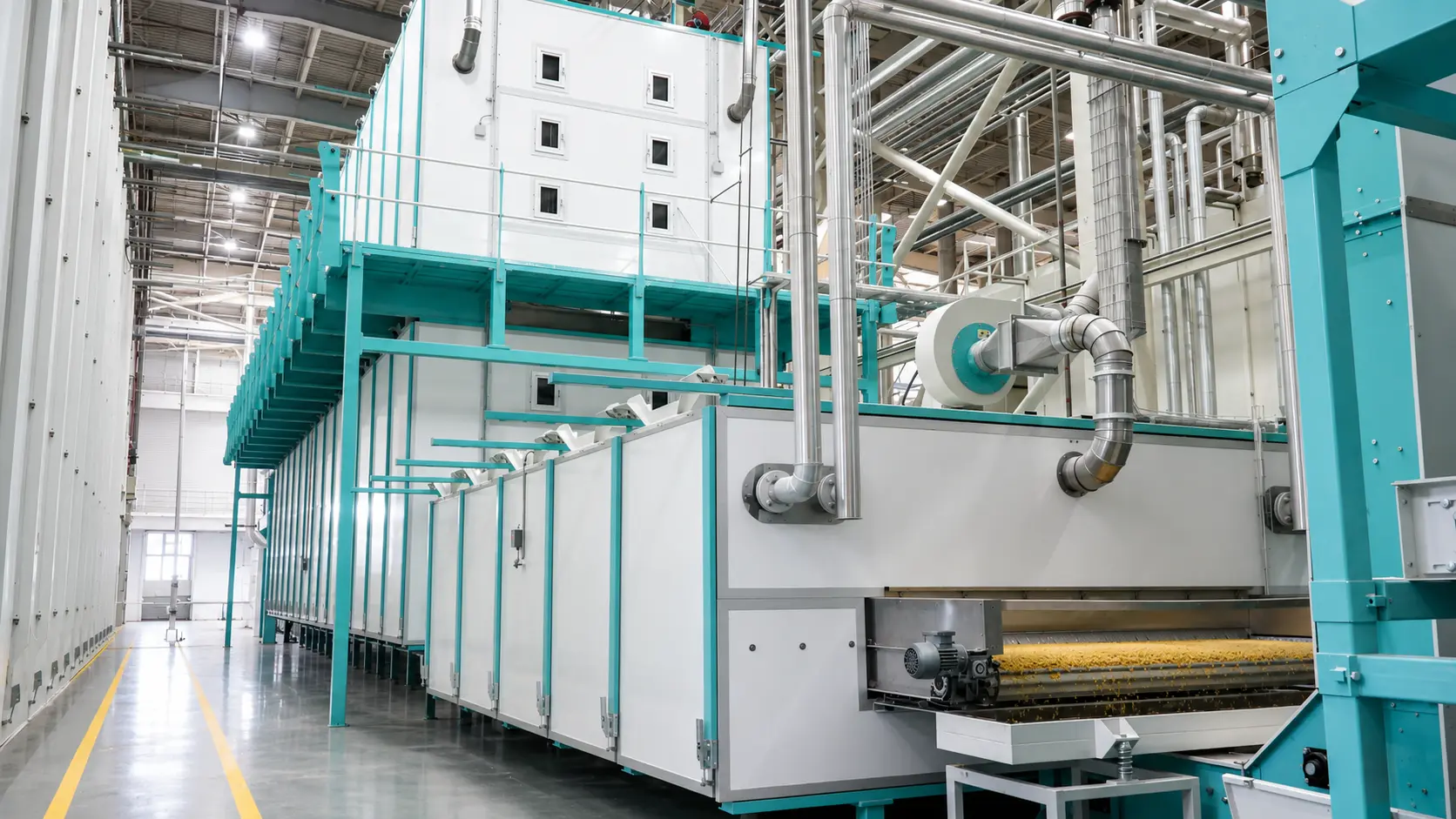
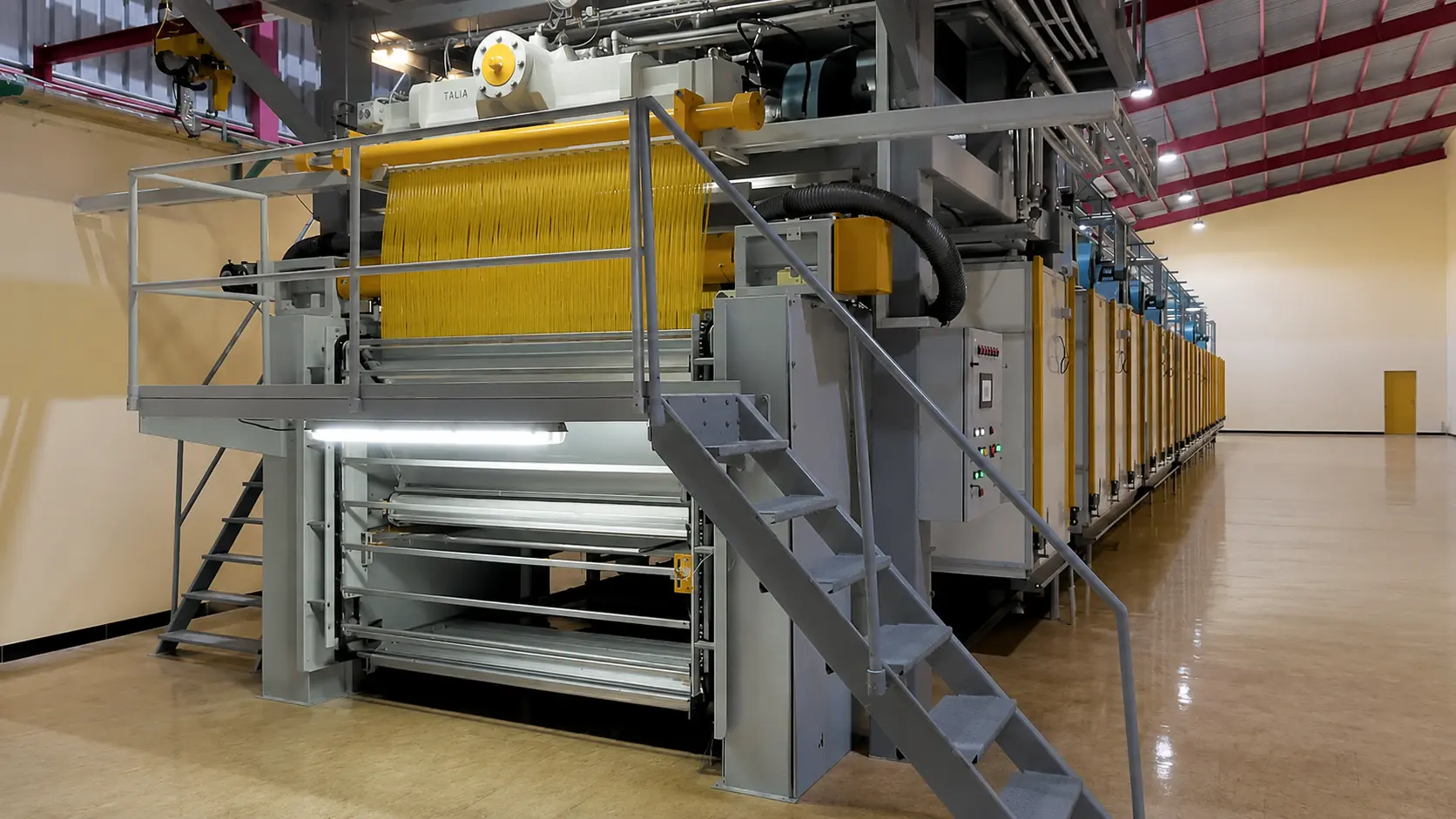
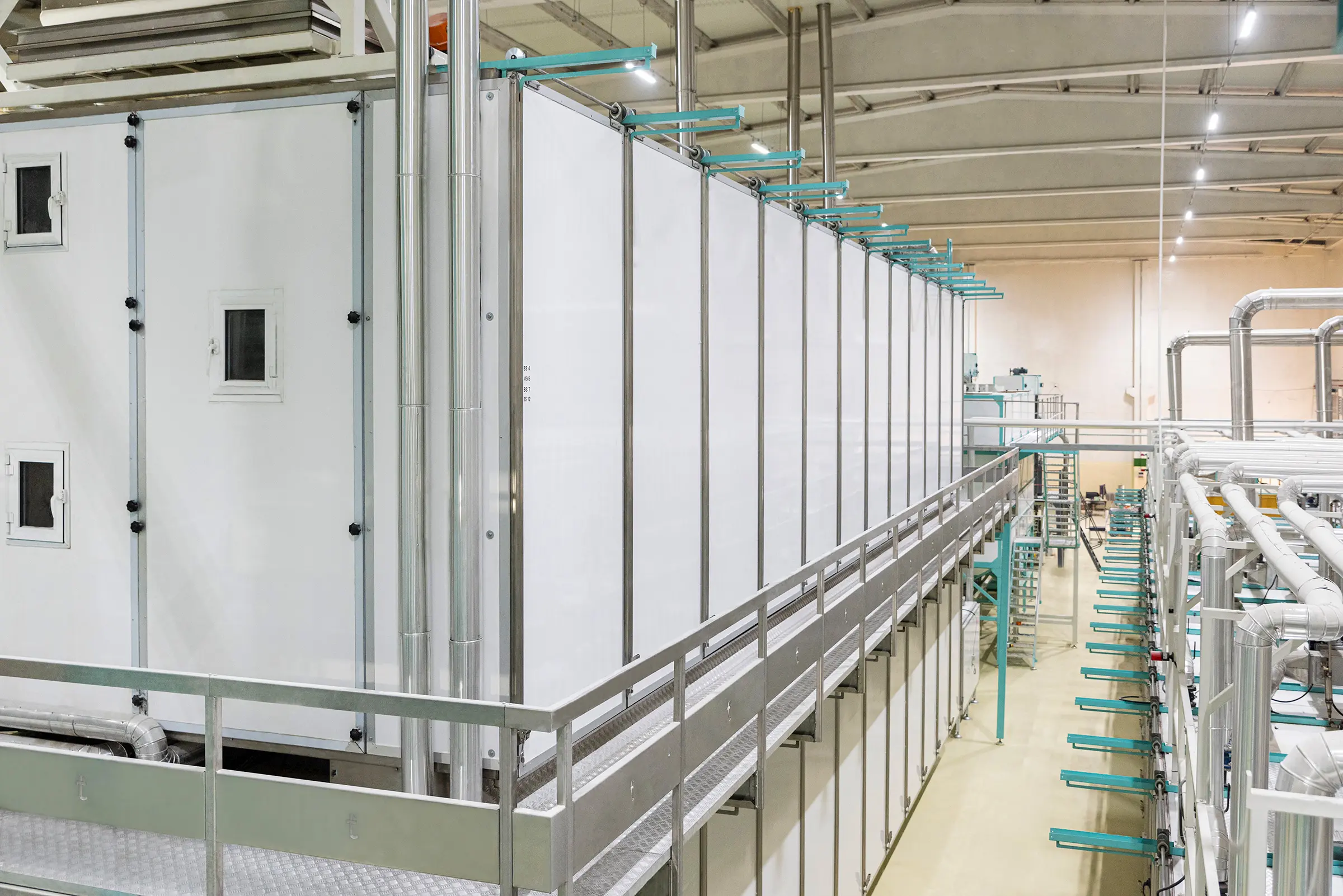
The main difference is the drying architecture. The short-cut line uses multi-tier drying for penne, fusilli and other short-cut shapes; the long-cut line uses a hanger-based multi-stage drying tunnel for long products. Dough preparation and vacuum extrusion are common to both lines; the separation begins after extrusion.
Can short-cut and long-cut pasta be produced on the same line?
No. Short-cut and long-cut pasta require different drying architectures: multi-tier drying for short-cut products and a hanger-based multi-stage drying tunnel for long-cut products. Investors who need both product groups should plan two parallel lines in the same facility.
Which capacity should I start with?
Capacity depends on the size of your target market, distribution channel and investment budget. Our lines are engineered in eight standard steps from 500 kg/h to 6,000 kg/h; share your current or target sales volume with our technical team to identify the right step.
What raw materials do the lines use?
Both lines can work with semolina- or flour-based recipes. Protein content, particle size and moisture affect the drying recipe and final product quality, so we ask you to share your raw material analysis during the quotation stage.
Can the lines run continuously?
Yes. The lines are designed for 24/7 continuous industrial production. Production and drying parameters are monitored through PLC-based automation, reducing operator dependency and keeping product quality stable during operator shift changes.
What is included in the warranty and after-sales support?
The lines are delivered with a standard 24-month warranty. Spare parts supply and remote technical support are provided during and after the warranty period. A critical spare-parts list and maintenance plan are prepared during commissioning.