
Turnkey Pasta Production Plant with Integrated Flour Mill in Russia
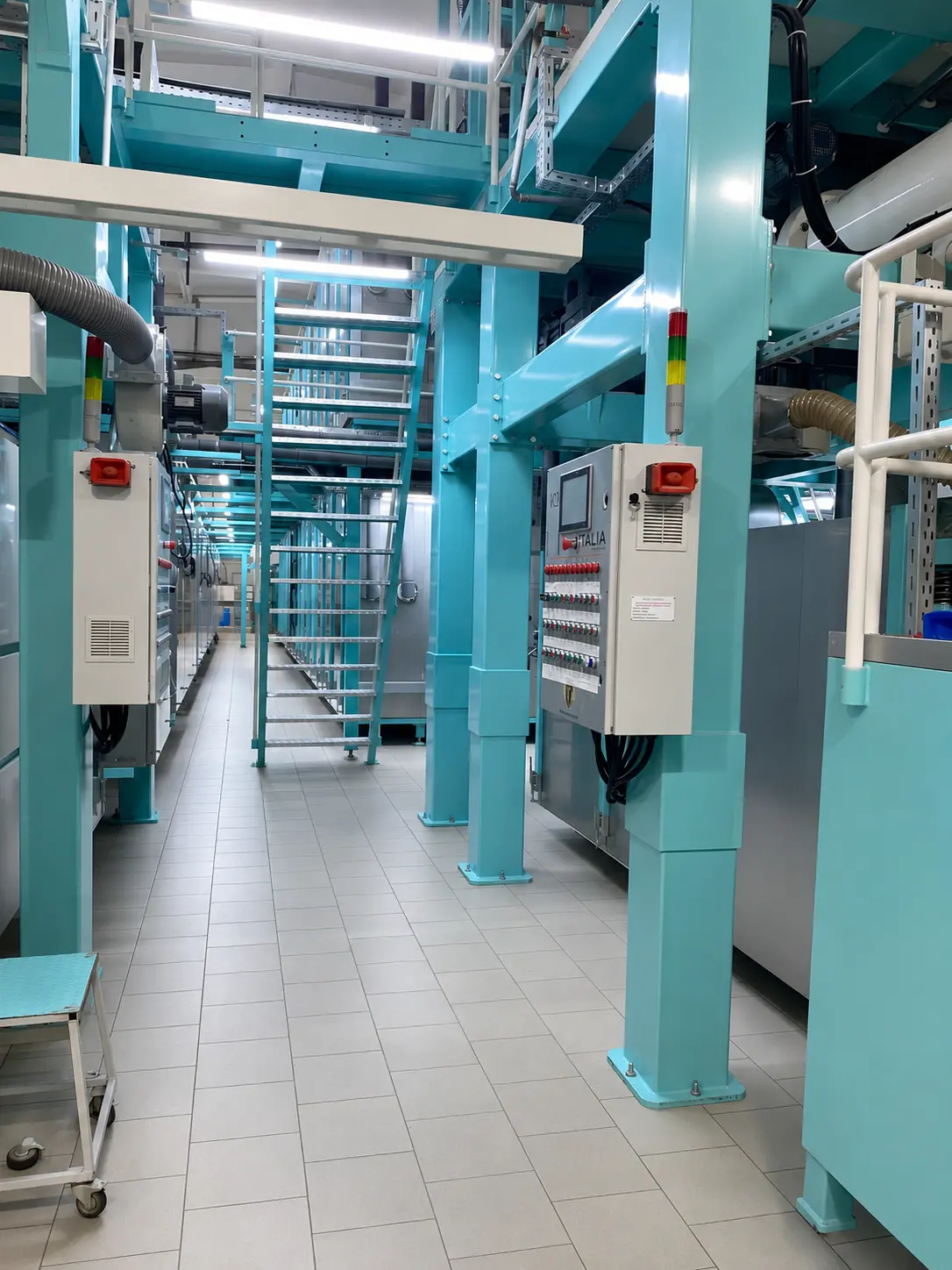
Talia Makina installed two turnkey lines in a single factory in Russia: a 2,000 kg/h short-cut line and a 300 kg/h spaghetti line. Alongside the pasta lines, the investor planned and built a flour mill from scratch, creating a fully integrated production plant that turns its own flour and semolina into pasta.
The Integrated Plant at a Glance
Project Story
With its vast geography and strong grain production, Russia is a major market for the flour and pasta industry. In this market Talia Makina delivered a project that goes beyond a conventional line installation: a fully integrated production plant, from milling to packaging.
When the investor decided to enter pasta production, the flour mill was planned at the same time, from the ground up. Flour and semolina production and pasta production were designed under one roof to feed each other. Today the plant produces from both flour and semolina, processing its own raw material and keeping the added value in house.
Capacity was selected according to real market demand. Demand for short-cut pasta was high in the region, so a 2,000 kg/h short-cut line was chosen. Spaghetti demand was more limited, so instead of an oversized investment a 300 kg/h spaghetti line was selected. This correctly scaled pairing optimised the investment cost while opening the market for both product groups.
Today the plant's products are on the shelves of many supermarkets in the region, both as flour products and as pasta. Having flour, semolina and pasta on the shelf under the same brand is the most tangible outcome of an integrated investment.
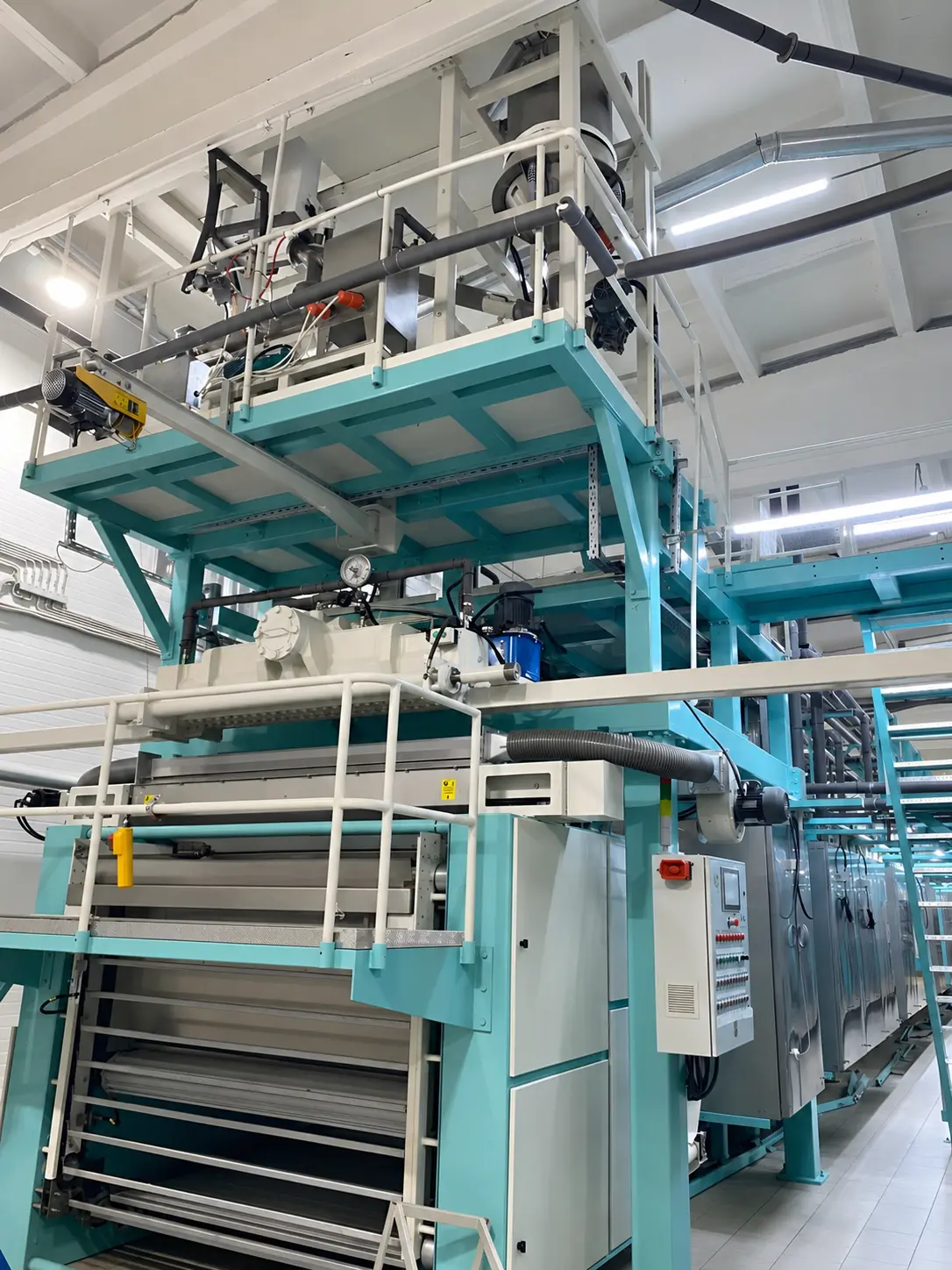
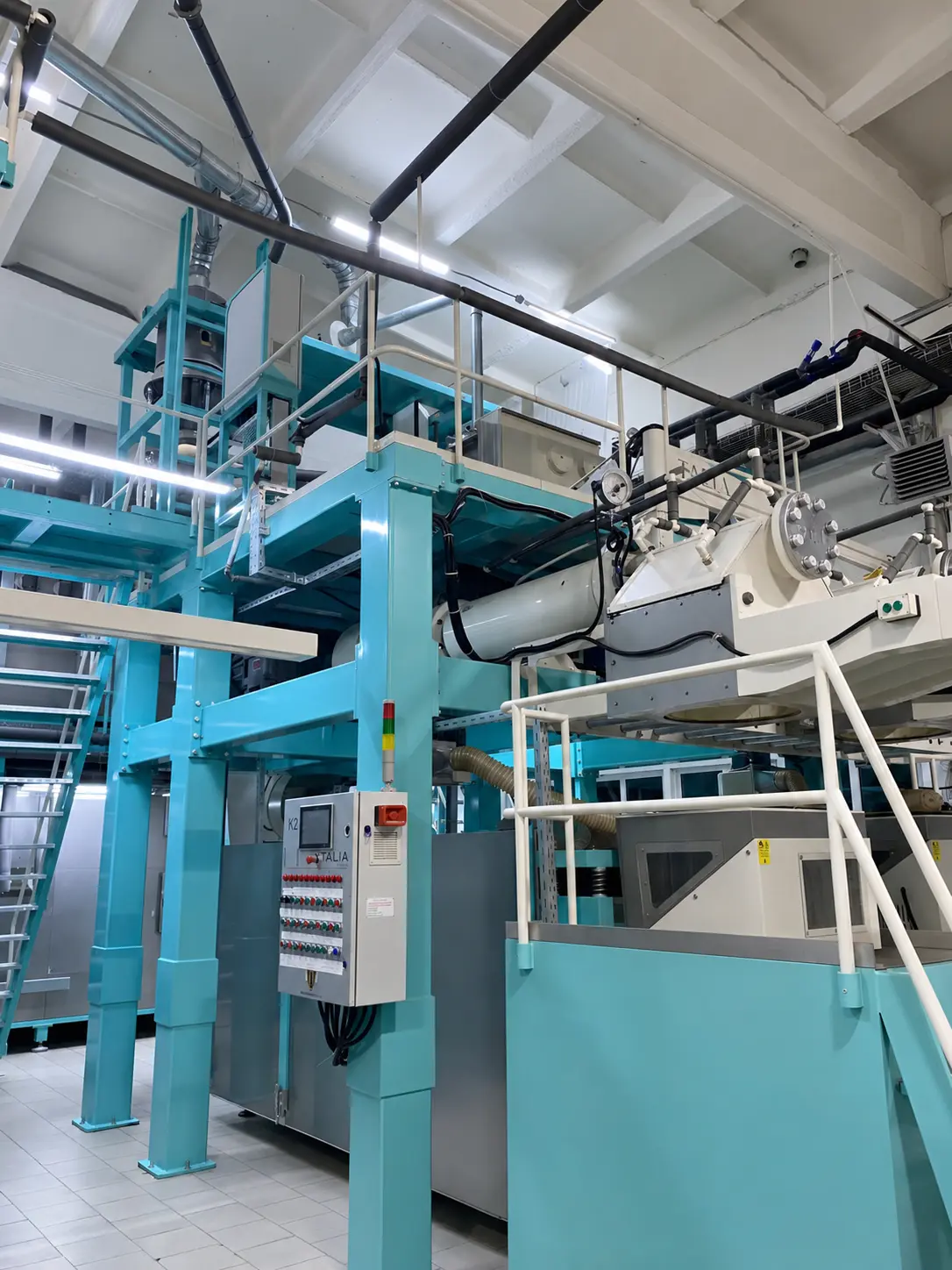
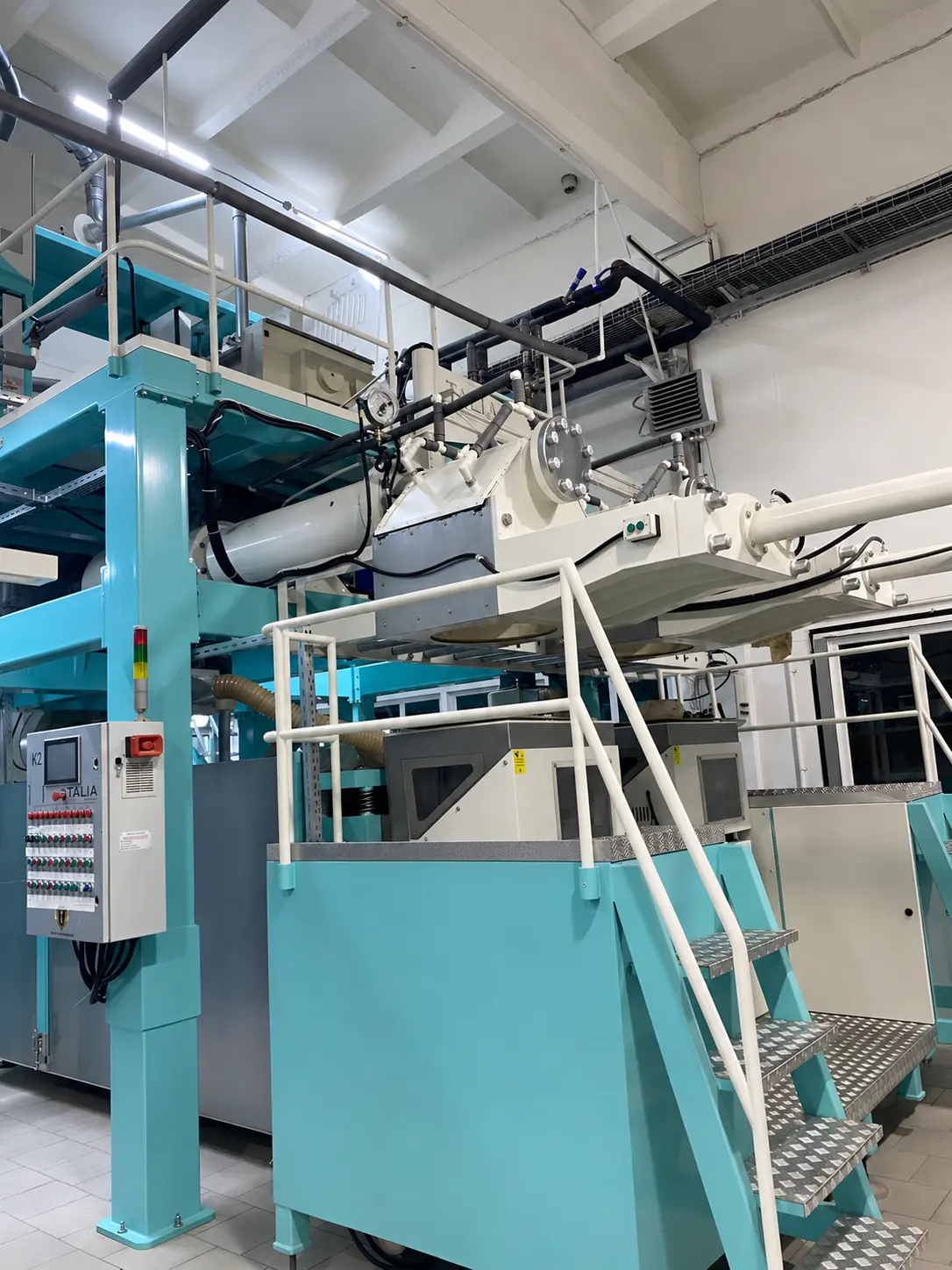
The lines run with an AISI 304 food-grade stainless steel body; the automation is built on Siemens PLC with Yaskawa components. The short-cut line produces square cut, fusilli, noodles, elbow, penne cut and thimble pasta among many other shapes; the spaghetti line produces spaghetti in 1.2 and 1.5 mm diameters.
Total installed capacity of the two lines is 2,300 kg/h — theoretically up to 55 tonnes per day in 24-hour continuous operation. In this project, remote support and spare parts supply continue uninterrupted even after the warranty period has ended. With turnkey installations in 18 countries since 2007, Talia Makina supports producers moving to integrated production.
Project Overview
Turnkey Project Process
Project Results
Installed Line Views
Hover over an image: large preview · Click: full-screen view with navigation.
 Installed Line View 1
 Installed Line View 2
 Installed Line View 3
Frequently Asked Questions
How is a pasta production line installed in Russia?
Project planning, line design, manufacturing, shipment, site installation, commissioning and operator training are carried out turnkey from a single source. Both lines at the plant in Russia were installed within this scope.
Can a flour mill and a pasta plant be built together?
Yes. The investor in Russia planned the flour mill from the ground up alongside the pasta lines, creating a fully integrated plant. Flour and semolina are produced on site and fed directly to the pasta lines; this structure keeps raw material costs under control, standardises quality and retains the added value with the producer.
Can the plant produce from both flour and semolina?
Yes. The plant in Russia can produce pasta from both the flour and the semolina milled on site. The lines are configured to adapt to different raw materials and recipes.
Which pasta shapes are produced on the lines in Russia?
The short-cut line produces square cut, fusilli, noodles, elbow, penne cut and thimble pasta among many other shapes; the spaghetti line produces spaghetti in 1.2 and 1.5 mm diameters. With circular die changes, more than 30 short-cut shapes can be produced on the same line.
Does a lower-capacity line investment make sense?
It does when it matches demand. The producer in Russia chose a 2,000 kg/h line because short-cut demand was high in the region, and a 300 kg/h line because spaghetti demand was more limited. The right scale avoids unnecessary investment cost, and capacity can be expanded as demand grows.
How should capacity be selected?
Capacity is determined by the product mix of the target market, the sales channel and the shift plan. Our short-cut lines can be configured from 300 kg/h up to 6,000 kg/h and spaghetti lines in various capacities. You can make a preliminary assessment with the capacity calculator in our investment guide.
What automation do the lines use?
The lines run on Siemens PLC-based automation with Yaskawa components. Automatic process and drying control is standard.
What do the warranty and after-sales support cover?
All lines are delivered with a 24-month standard warranty. In the Russian project, remote support and spare parts supply continue uninterrupted even though the warranty period has ended; maintenance planning and service requests are handled by the Talia Makina technical team.
Is remote technical support available?
Yes. The Siemens PLC-based automation system supports remote connection; with authorised access, fault diagnosis, parameter optimisation and software updates can be done remotely, and on-site service is scheduled when needed.
Planning an integrated pasta plant like the one in Russia?
Talk to our team about capacity selection, mill integration and line layout.