• Turnkey Industrial Pasta Production Lines
English
Türkçe
English
Deutsch
Français
العربية
Español
Русский
Italiano
Talia Makina logo

Industrial Pasta Production Lines

For Stable and Efficient Production

Talia Makina designs, manufactures and installs turnkey short-cut, long-cut and couscous production lines from 500 kg/h up to 6,000 kg/h worldwide. Our systems are engineered for process stability, advanced drying control and reduced operator dependency.

Why Talia Makina?

Engineered for Stable Industrial Pasta Production

40+Years of Experience

Talia Makina designs and manufactures industrial pasta production lines focused on process stability, advanced drying control and reduced operator dependency.

Our systems are engineered to ensure continuous and stable production even under varying semolina quality conditions.

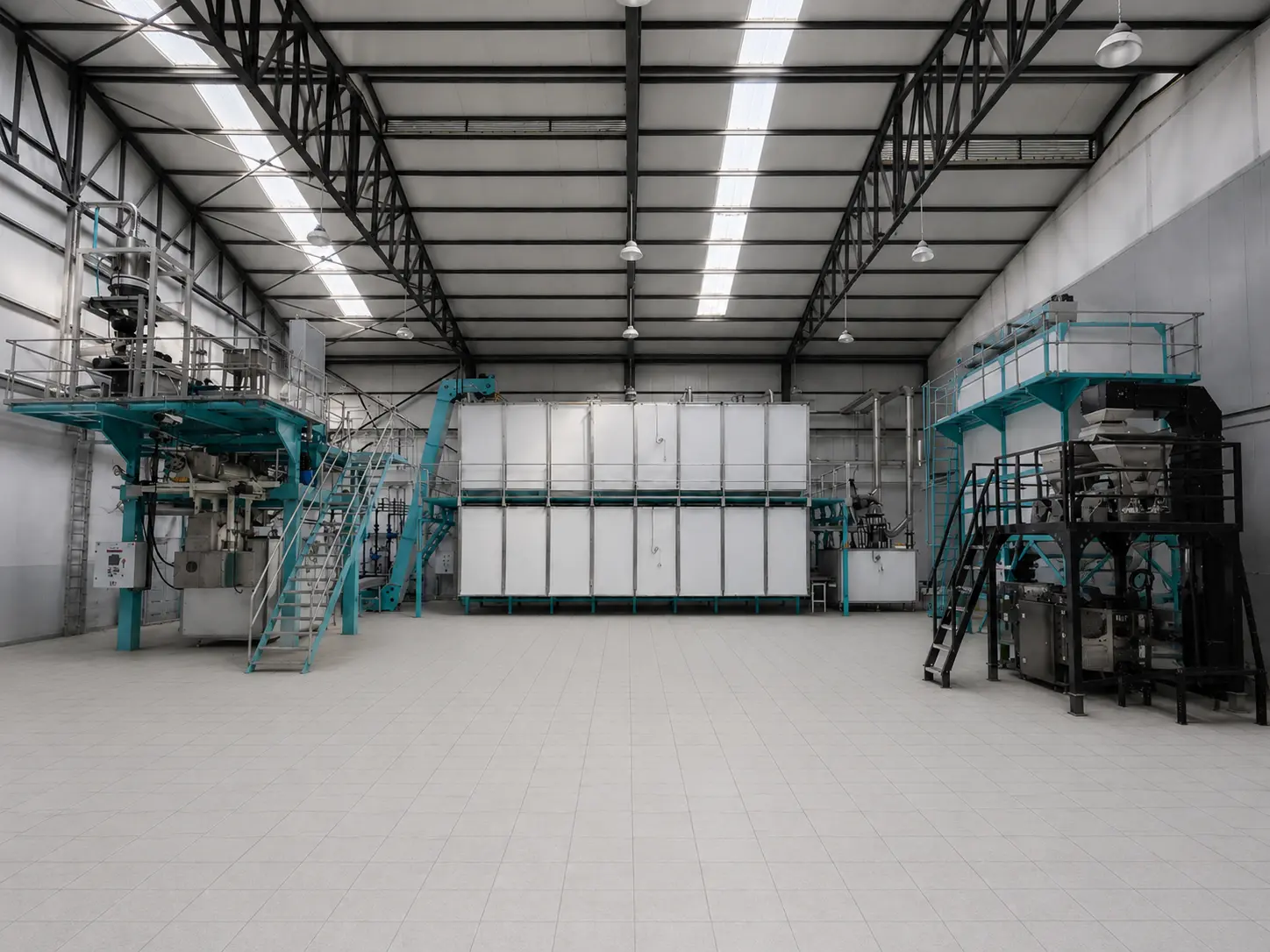
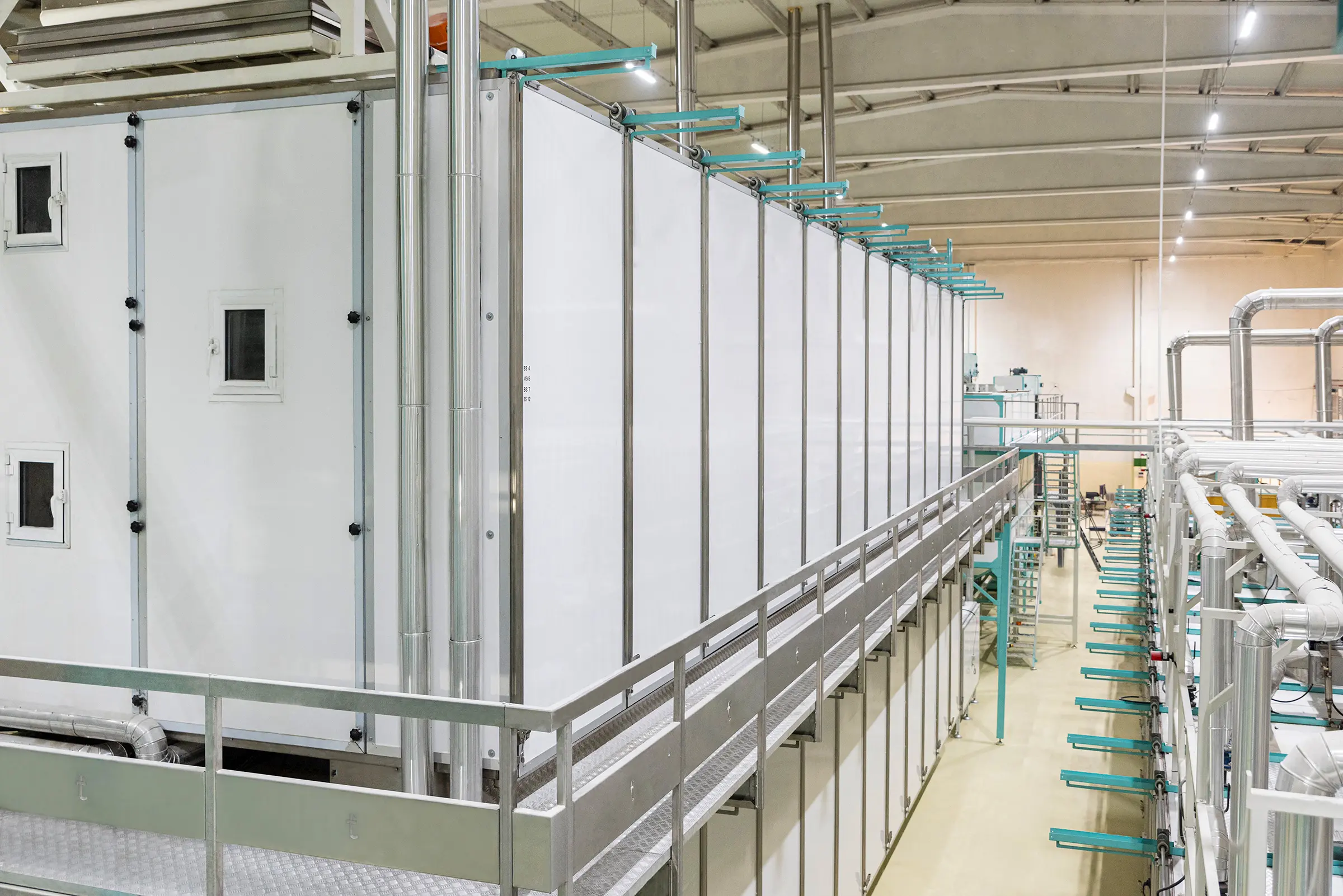
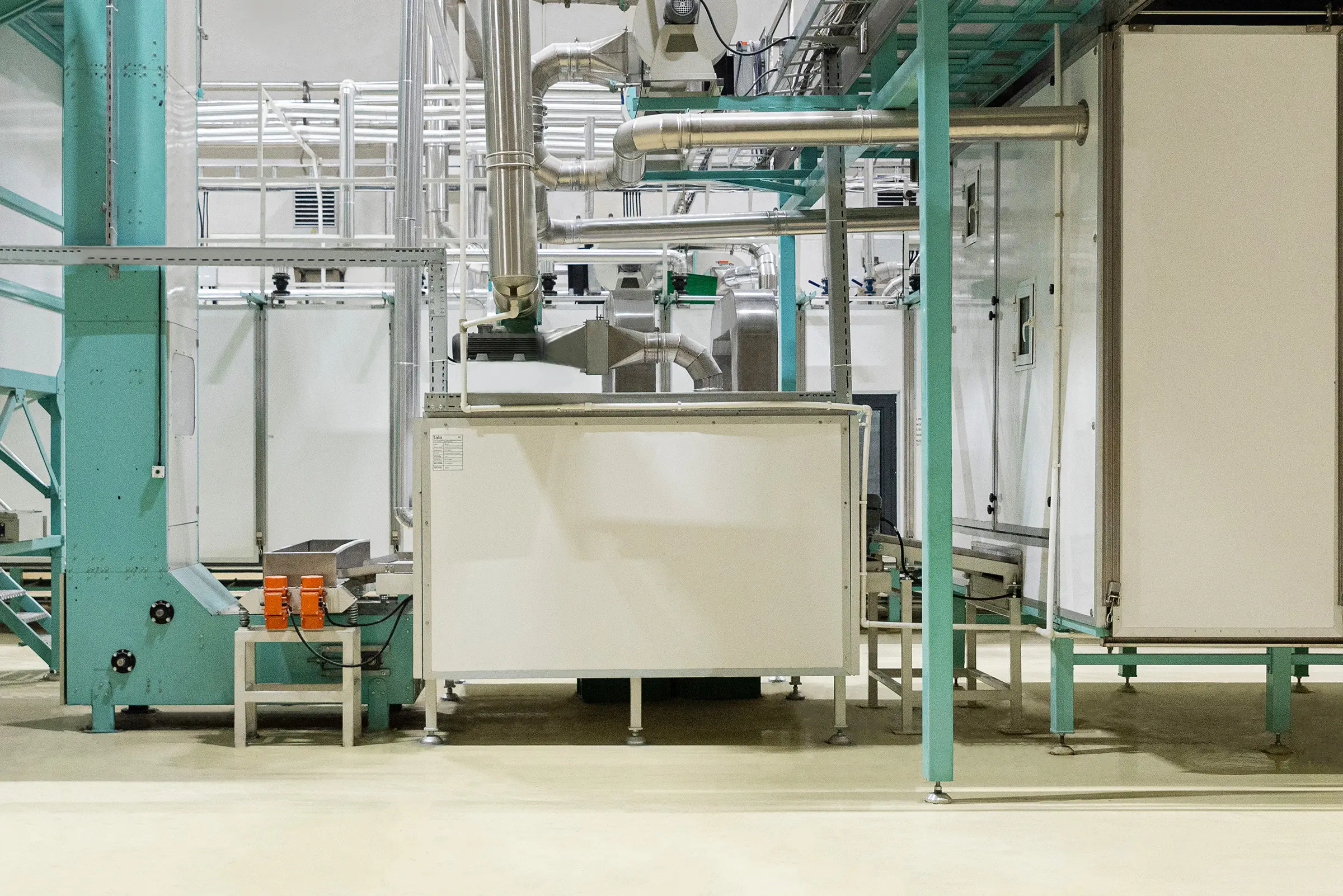
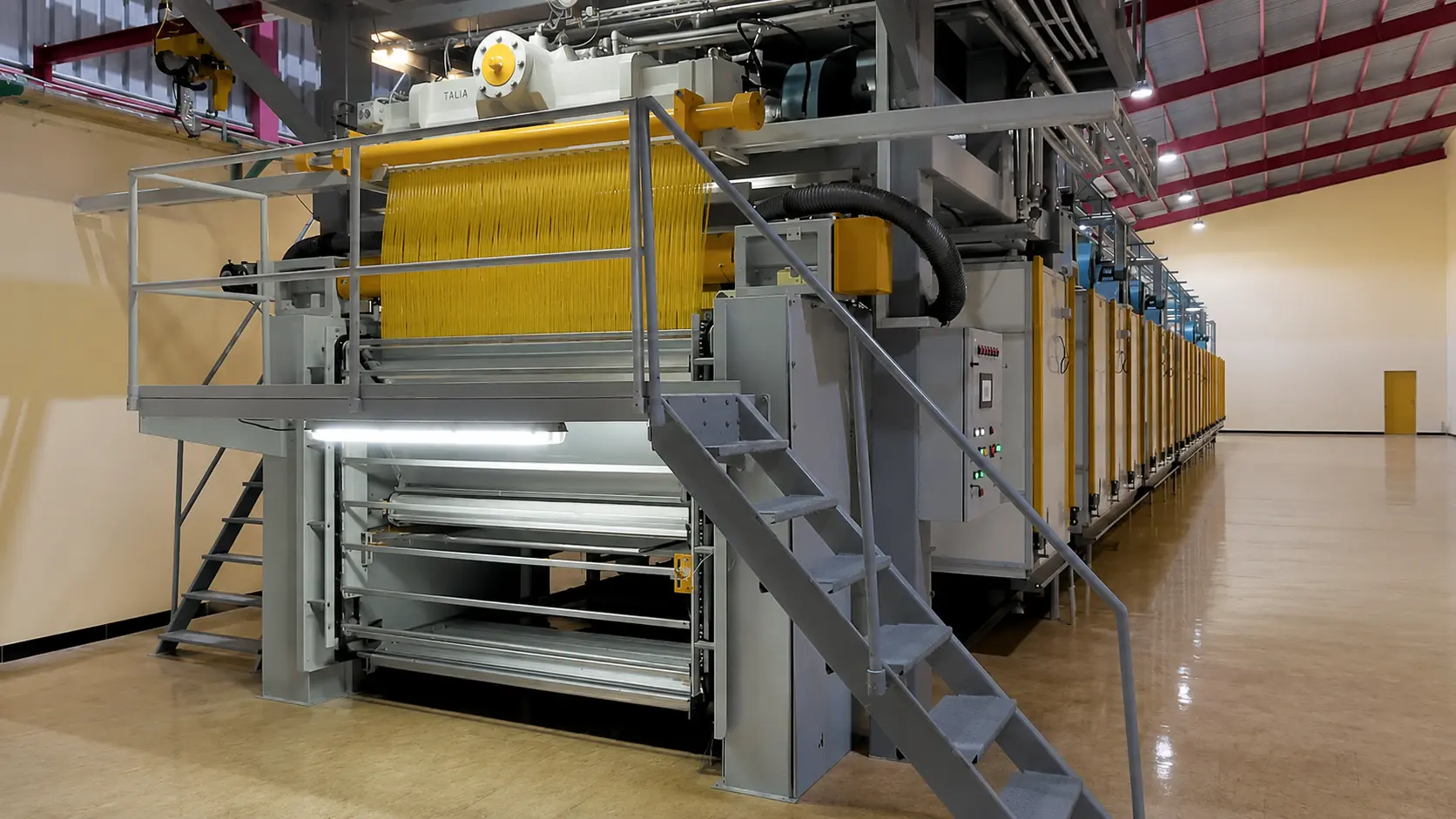
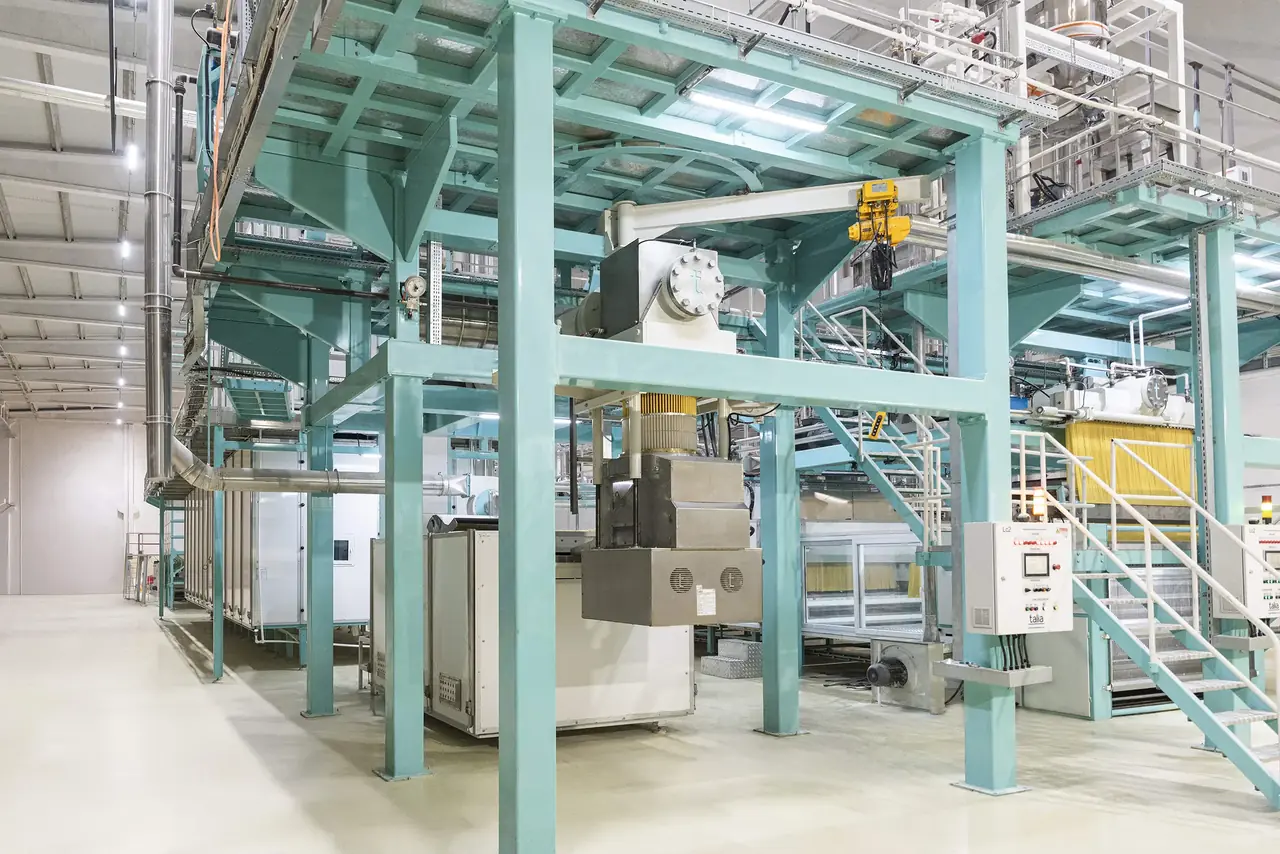
Talia MakinaIndustrial Pasta Production Line — High-Efficiency Food Machinery

Advanced Drying Phase Control

A precise and traceable drying process for high-quality pasta production.

Turnkey Installation Support

Complete installation, commissioning and operator training support worldwide.

Stable Production Under Variable Conditions

Consistent product quality and continuous production with different semolina qualities.

Easy-Maintenance Architecture

Modular machine design for fast and cost-effective maintenance.

Reduced Operator Dependency

Easier and safer operation through automated process control.

Energy-Efficient Systems

Optimized energy consumption for lower operating costs.
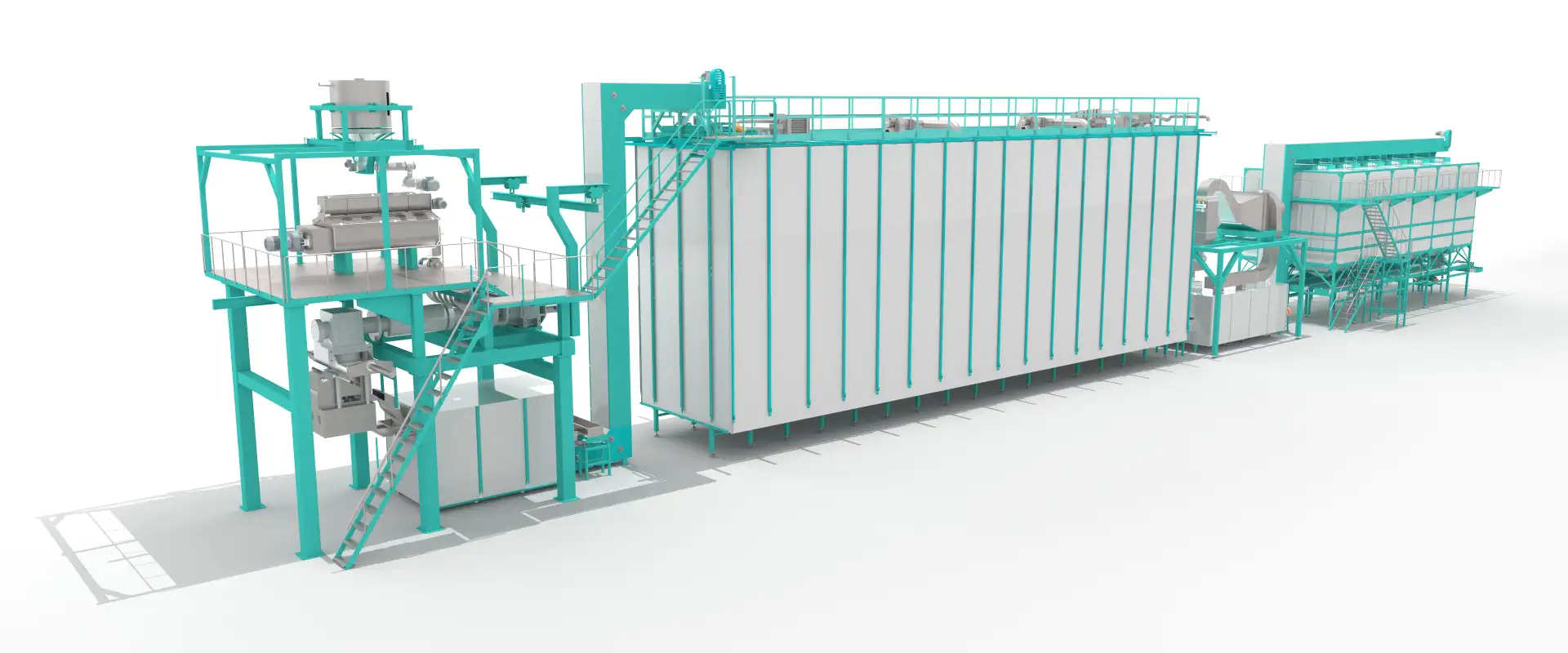
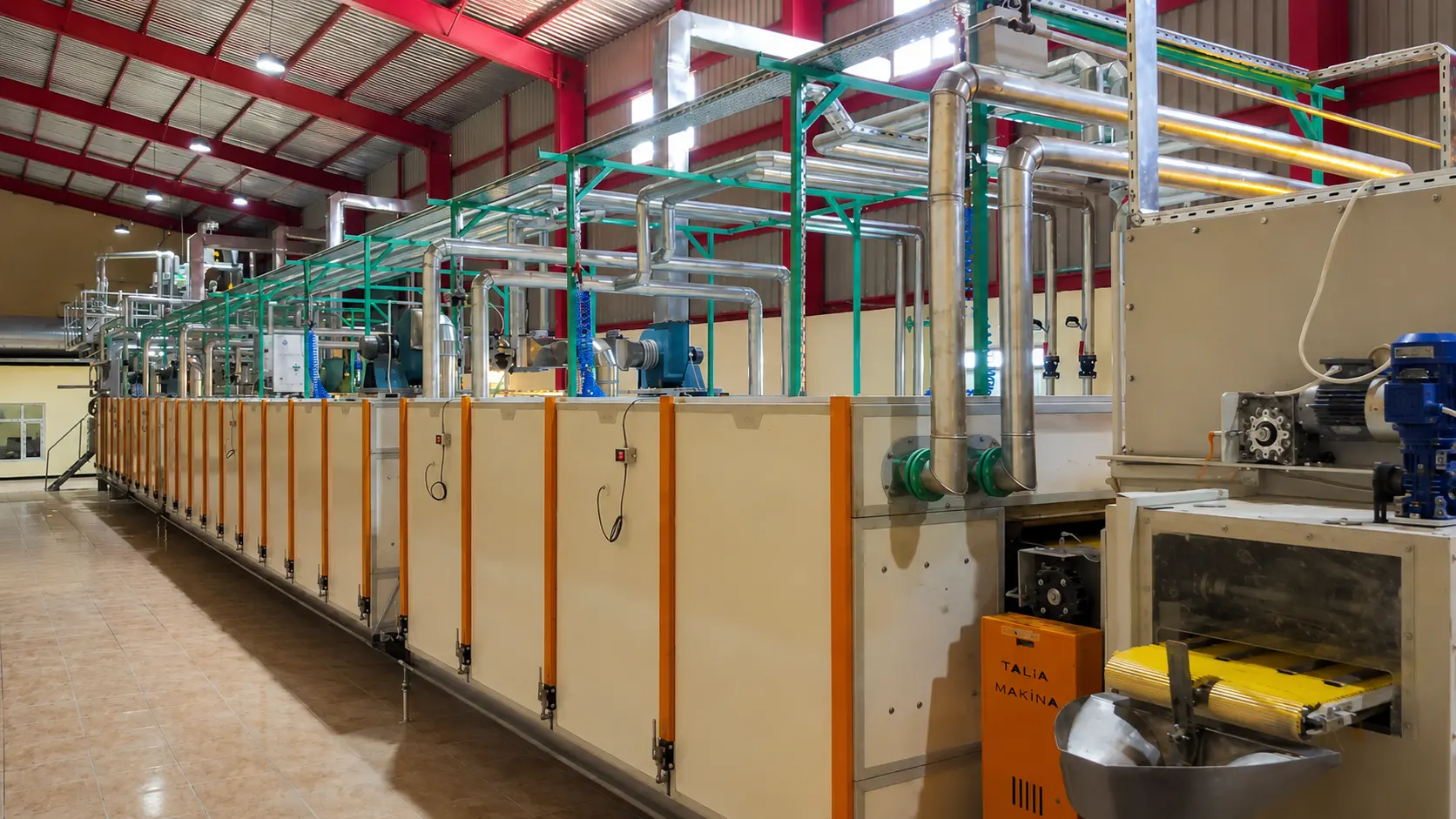
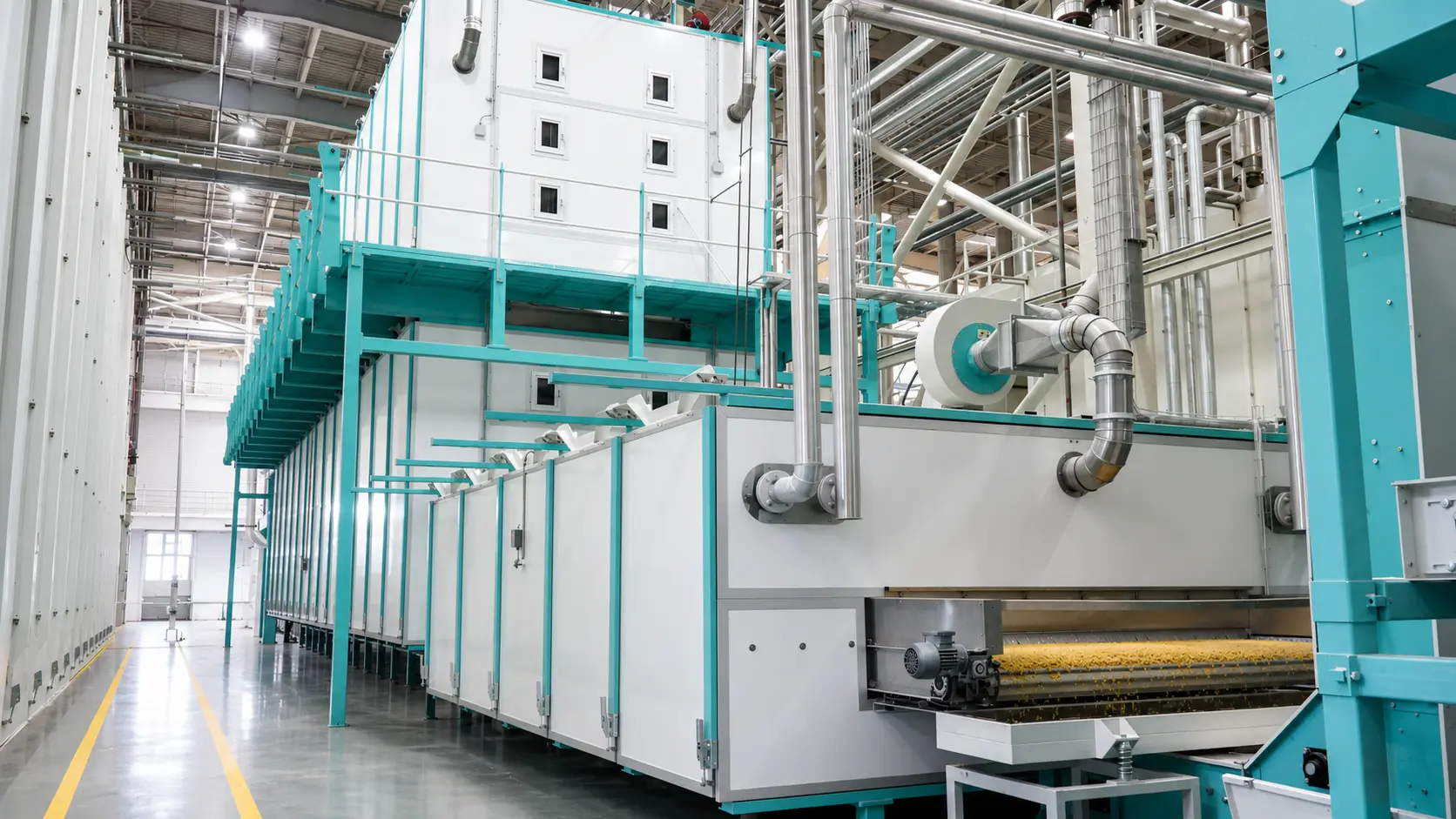
Short-cut pasta production line — Talia Makina industrial production line View Line →
Industrial Pasta Production Lines

Short-Cut Pasta Production Line

500 – 6,000 kg/h 30+ Shapes Modular Design

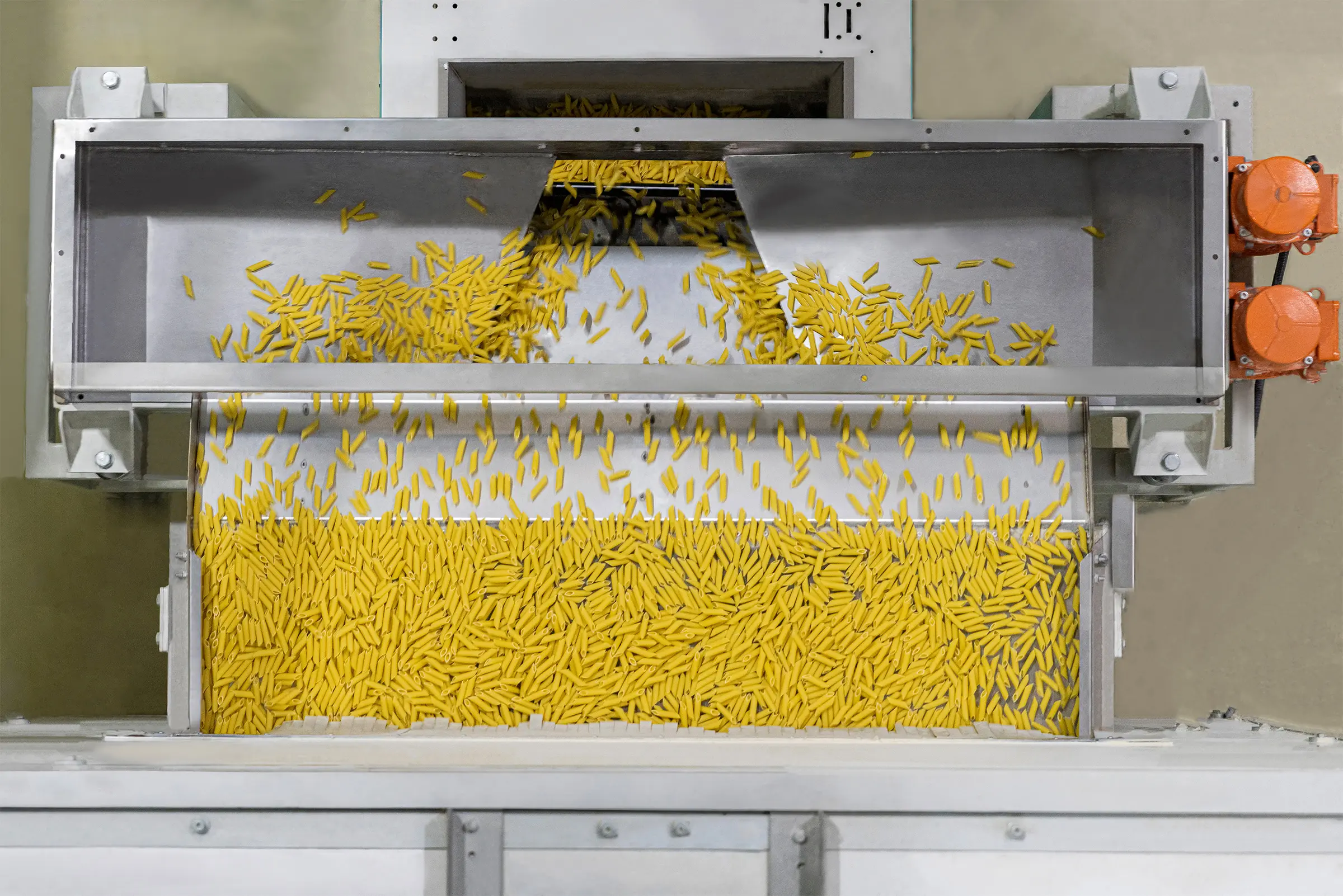
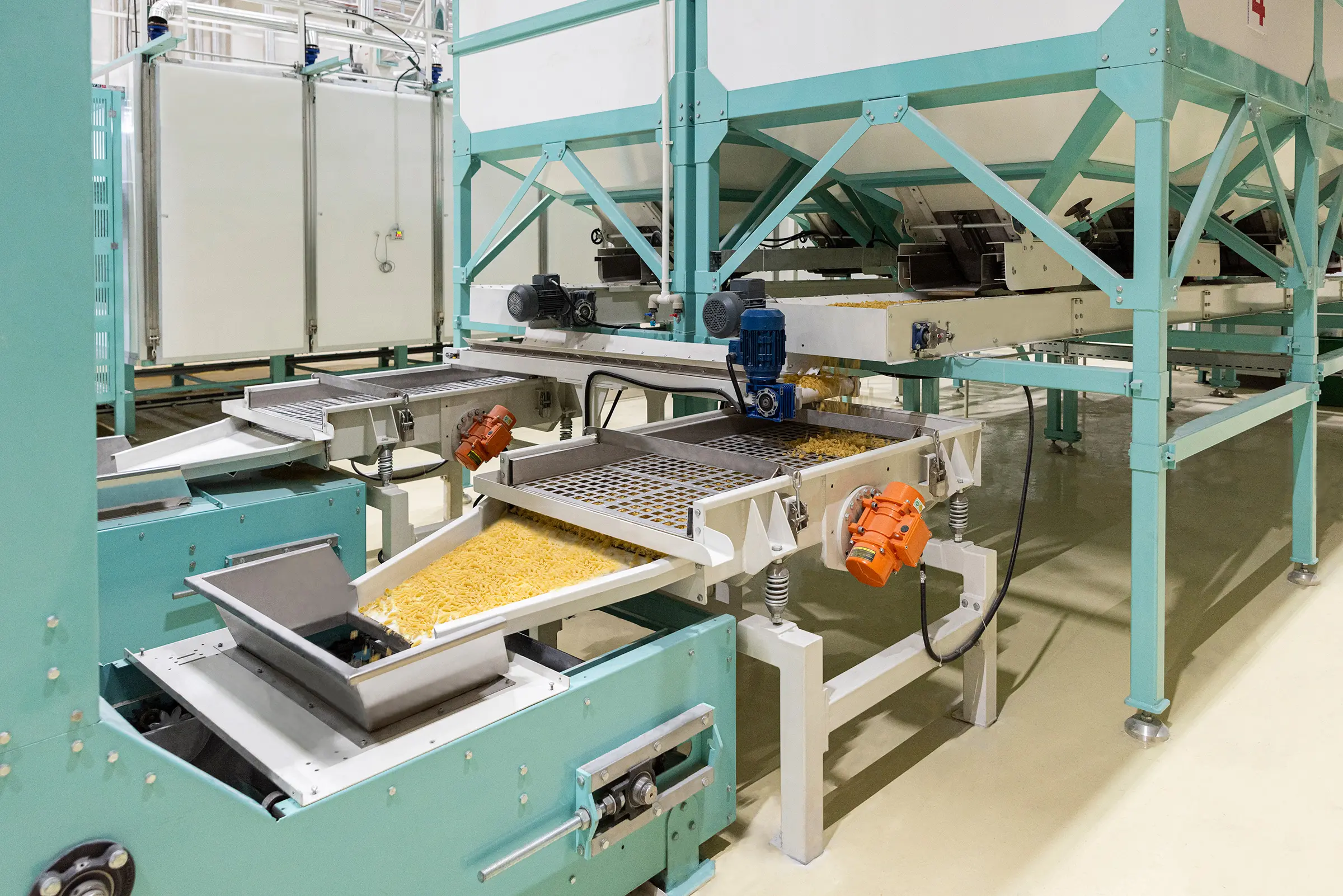
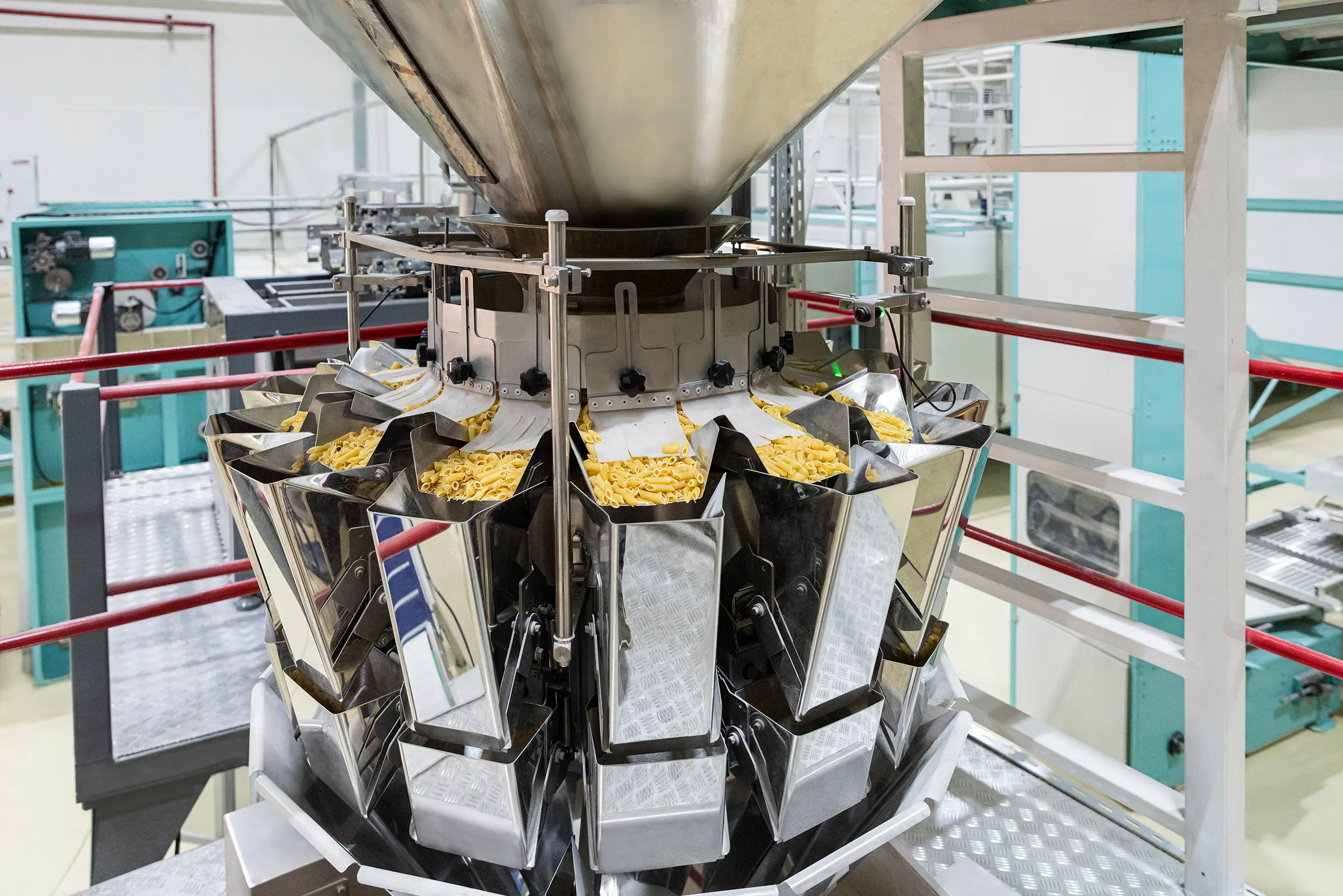
A modular short-cut pasta production line designed for stable and efficient production in more than 30 shapes and sizes, including penne, macaroni, fusilli, elbows and specialty pasta products.

Thanks to its advanced drying process control, the system ensures high product quality and continuous production performance under varying production conditions.

View Short-Cut Line
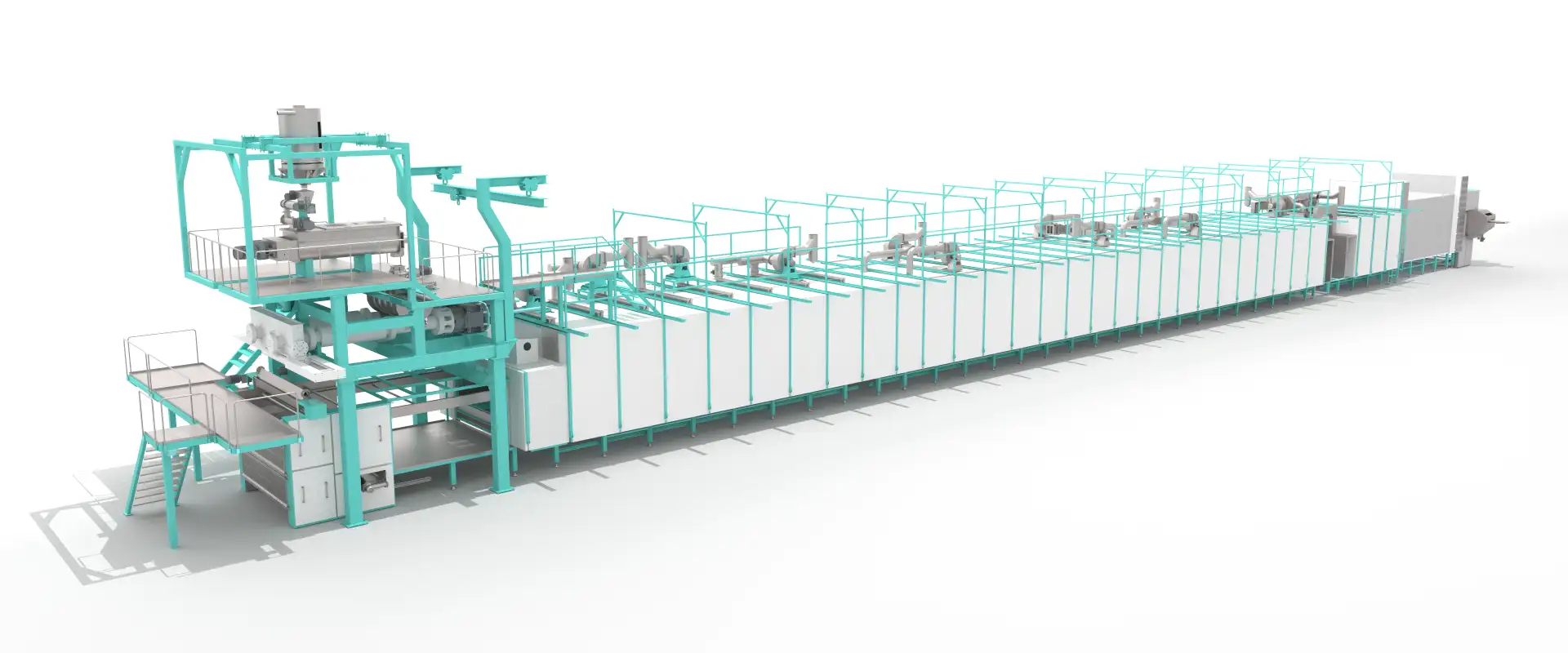
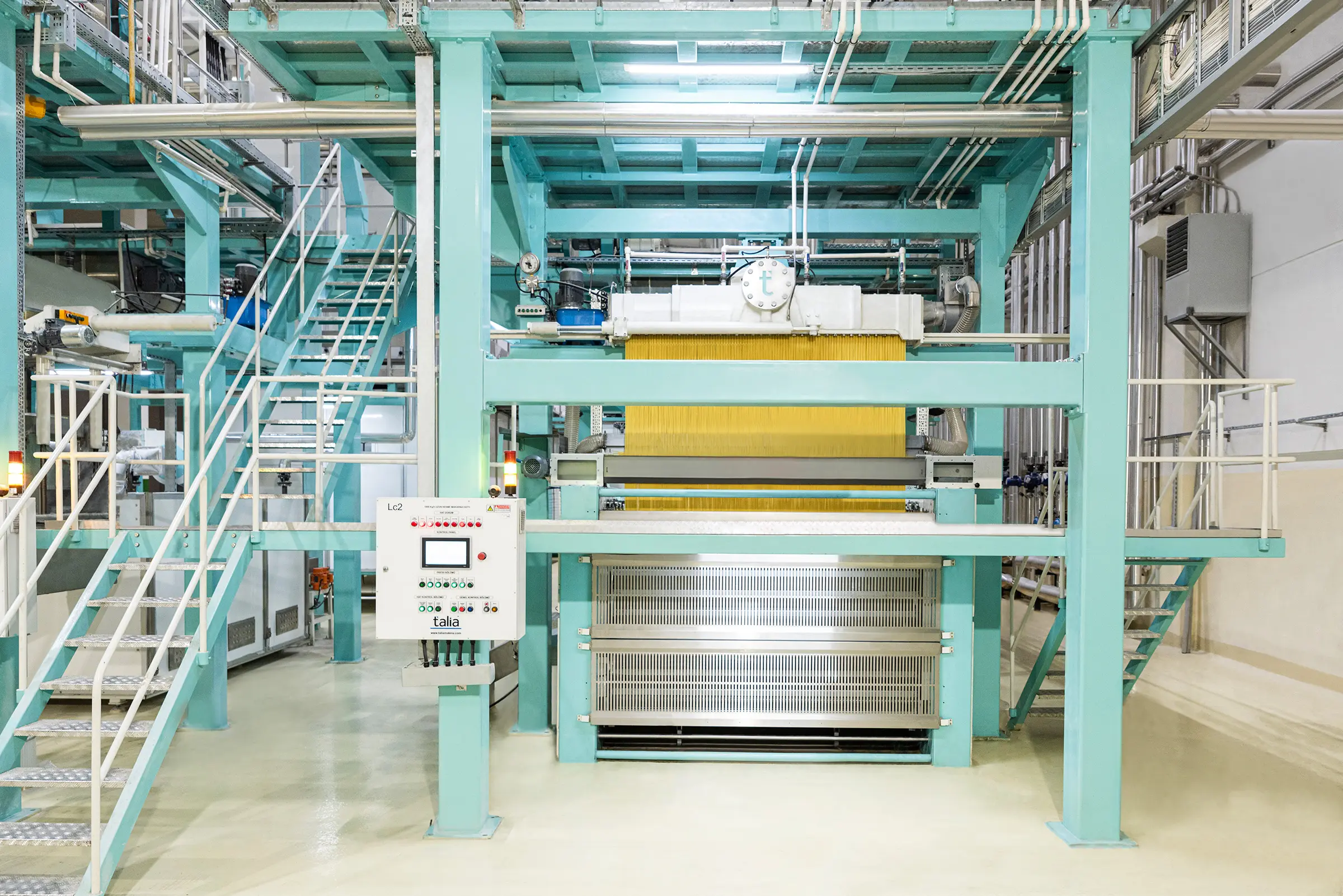
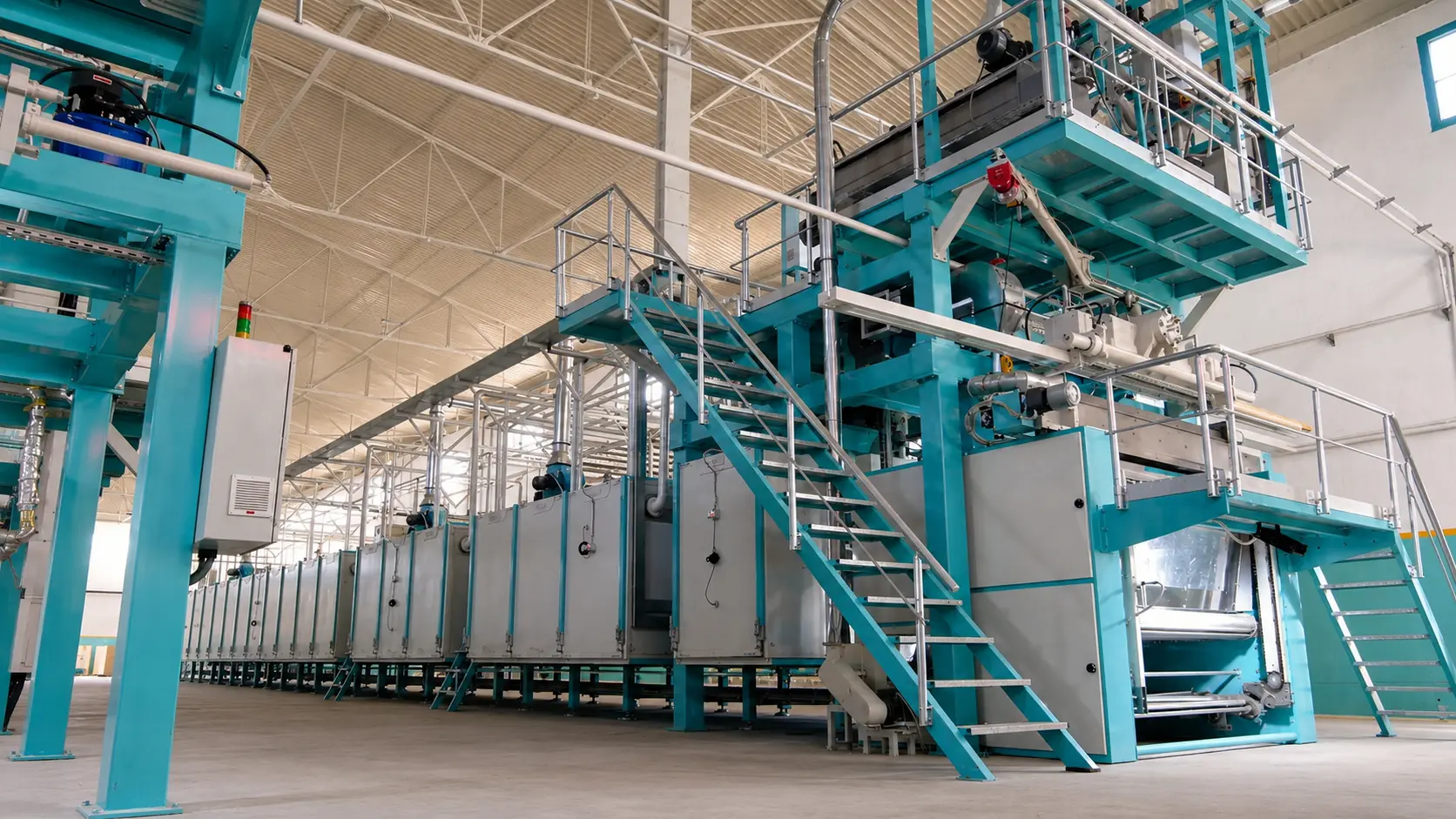
Long-cut pasta production line — production of spaghetti, linguine and bucatini View Line →
Industrial Pasta Production Lines

Long-Cut Pasta Production Line

500 – 4,000 kg/h Spaghetti · Linguine · Bucatini

A modular long-cut pasta production line designed to produce spaghetti, linguine and bucatini in different lengths and thicknesses.

Thanks to advanced drying technology and automated process control, the system delivers stable production performance with reduced operator dependency.

View Long-Cut Line
References

Pasta Production Line References Worldwide

Short-cut, long-cut, instant pasta, silo and storage projects commissioned across Africa, Asia, Europe and the Middle East.
All References →
We Are Talia

Turnkey Industrial Pasta Production Solutions

We manage the entire process from project planning and installation to commissioning and operator training through a single point of responsibility. We stand by you at every stage of your pasta factory investment.

  • Project planning and capacity analysis
  • Line design and mechanical engineering
  • Production, manufacturing and quality control
  • Shipment, on-site installation and commissioning
  • Operator training and production optimization
  • Spare parts and after-sales technical support
View Production Lines
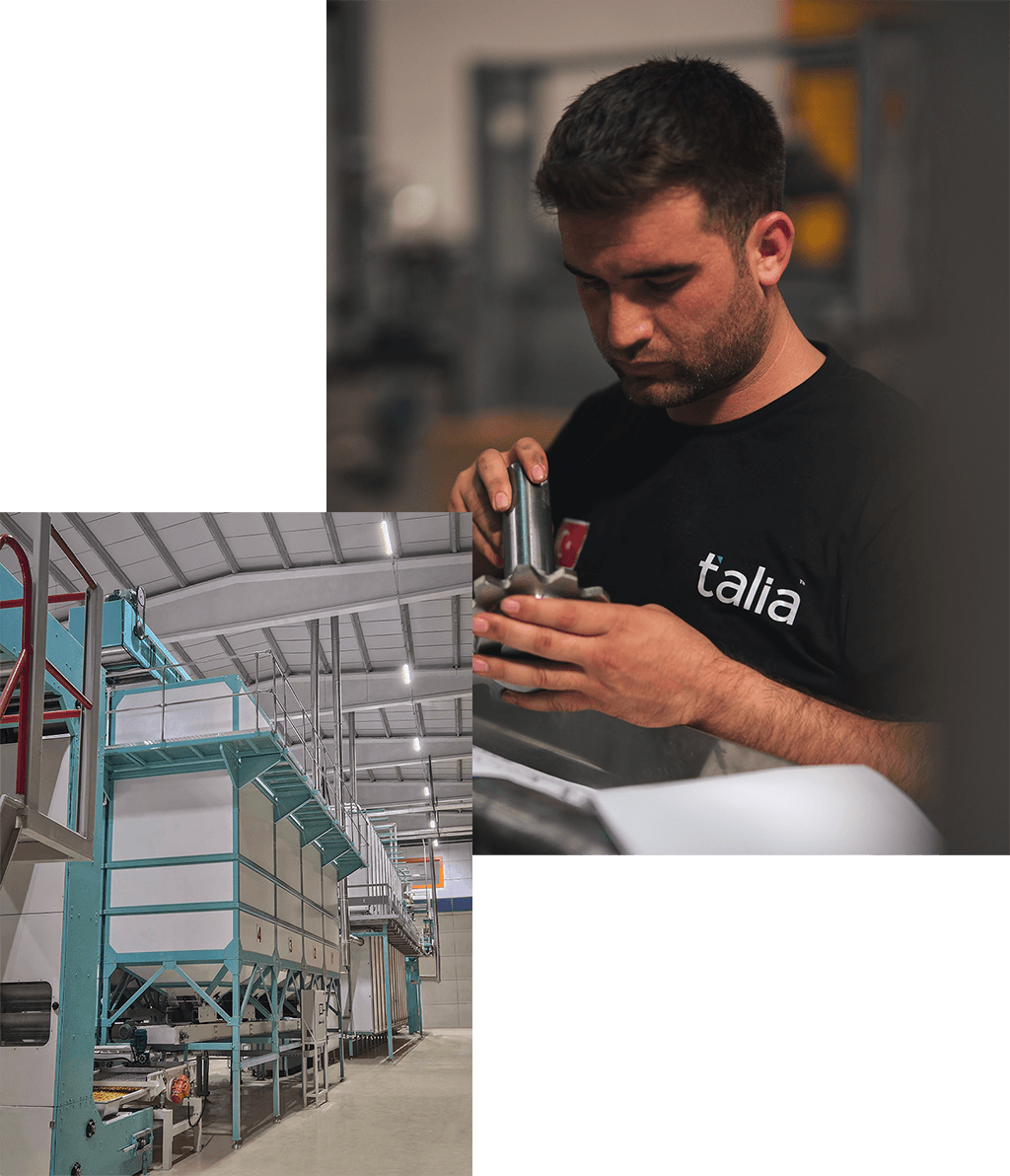
Talia Makina engineer and an industrial pasta production line installed in a factory

Talia Makina production lines are delivered with Siemens and Schneider PLC automation, AISI 304 food-grade stainless steel construction and a 24-month standard warranty. Since 2007, we have installed 42 turnkey pasta lines in 18 countries.

Siemens PLCSchneider PLCAISI 30424-Month WarrantySince 200742 Lines · 18 Countries
Frequently Asked Questions

Technical Questions About Pasta Production Line Investments

When planning an industrial pasta production line, capacity, product type, raw material characteristics, drying process, factory infrastructure and automation level must be evaluated together. Below, we answer the key questions that arise during the investment and technical assessment process.

Capacity Process Infrastructure Automation Project
01 How is the right capacity for a pasta production line determined? Capacity

Line capacity is not selected solely on the basis of the hourly production target. Annual sales targets, shift pattern, number of operating days, planned shutdowns, product mix, die-change frequency, packaging capacity and future growth plans are evaluated together. The correct capacity is determined according to the production scenario created using these data.

Annual production target Shift and product plan Future capacity requirement
02 Can short-cut and long-cut pasta be produced on the same production line? Process

Short-cut and long-cut products have different forming, conveying and drying requirements. For this reason, industrial production generally uses lines dedicated to each product group. The two lines can be designed as an integrated factory project by considering raw material feeding, utilities, automation infrastructure and the packaging plan.

03 How do semolina or flour properties affect line design and product quality? Process

Raw material particle size, moisture, protein and gluten structure, and color characteristics affect water dosing, mixing behavior, extrusion pressure and the drying recipe. The line must be configured by evaluating the raw material to be used together with the target final-product properties. A broad process adjustment range is especially important in projects with high raw material variability.

04 Which data are used to determine the drying recipe? Process

The drying recipe is created according to product shape, wall thickness, raw material properties, initial moisture, target final moisture and ambient conditions. Temperature, relative humidity, airflow and time are managed together during pre-drying, drying, stabilization and cooling. Product-group-specific parameters are defined instead of using a single recipe for every product.

Product geometry Raw material properties Temperature · Humidity · Airflow
05 Which processes are included in a turnkey pasta production line? Project

The project scope is defined according to raw material feeding and dosing, mixing, vacuum extrusion, forming or cutting, pre-drying, drying, stabilization, cooling and product transfer stages. Silo systems, packaging, utilities and in-building connections are included according to the investor’s needs. Clearly defining the supply boundaries in the proposal is essential.

06 Which space and infrastructure data should be prepared for the factory building? Infrastructure

The building’s clear dimensions, column locations, floor and ceiling heights, floor load capacity, access openings and storage areas must be known for layout planning. Electrical power, thermal energy, compressed air, process water, drainage and ventilation infrastructure are also evaluated. Required consumption and connection values are finalized on a project basis after the line configuration is selected.

Building and layout dimensions Electrical and thermal energy Water · Air · Ventilation
07 Which parameters does PLC automation manage on the production line? Automation

The PLC-based control system coordinates the dosing, extrusion, cutting, conveying and drying sections. Temperature, relative humidity, airflow, motor status and process alarms can be monitored from the operator screen. Recipe management and data-recording levels are configured according to the project’s automation and traceability requirements.

08 How is the line’s energy consumption calculated during the proposal stage? Infrastructure

There is no single energy-consumption value that applies to every line. Capacity, product type, drying cycle, heat source, ambient conditions, operating time and auxiliary equipment directly affect the calculation. Electrical and thermal energy requirements are prepared on a project basis from equipment loads and process requirements after the line configuration is defined.

09 How are installation, commissioning and line acceptance carried out? Project

The process proceeds through verification of site preparations, mechanical and electrical installation, equipment checks, dry-run tests, product trials and process adjustments. Operator training covers operation, recipe use, cleaning and basic maintenance. Capacity, product quality and acceptance criteria are evaluated according to the technical scope agreed at the beginning of the project.

10 How are the maintenance plan and critical spare-parts list created? Project

The maintenance plan is prepared according to equipment operating hours, production intensity, product-change frequency and site conditions. Wear parts, sensors, drive components and process-critical components are evaluated separately. Keeping the recommended spare parts on site for the initial operating period helps reduce the risk of unplanned downtime.

11 Which information is required to prepare a technical proposal? Project

A sound technical proposal requires the target hourly or annual capacity, products to be manufactured, raw material to be used, shift plan, building dimensions, available energy sources, desired automation level and supply scope. Any requirements for packaging, silos, a laboratory or utilities should also be included in the initial data.

Capacity and product list Raw material and infrastructure Supply scope
Gallery

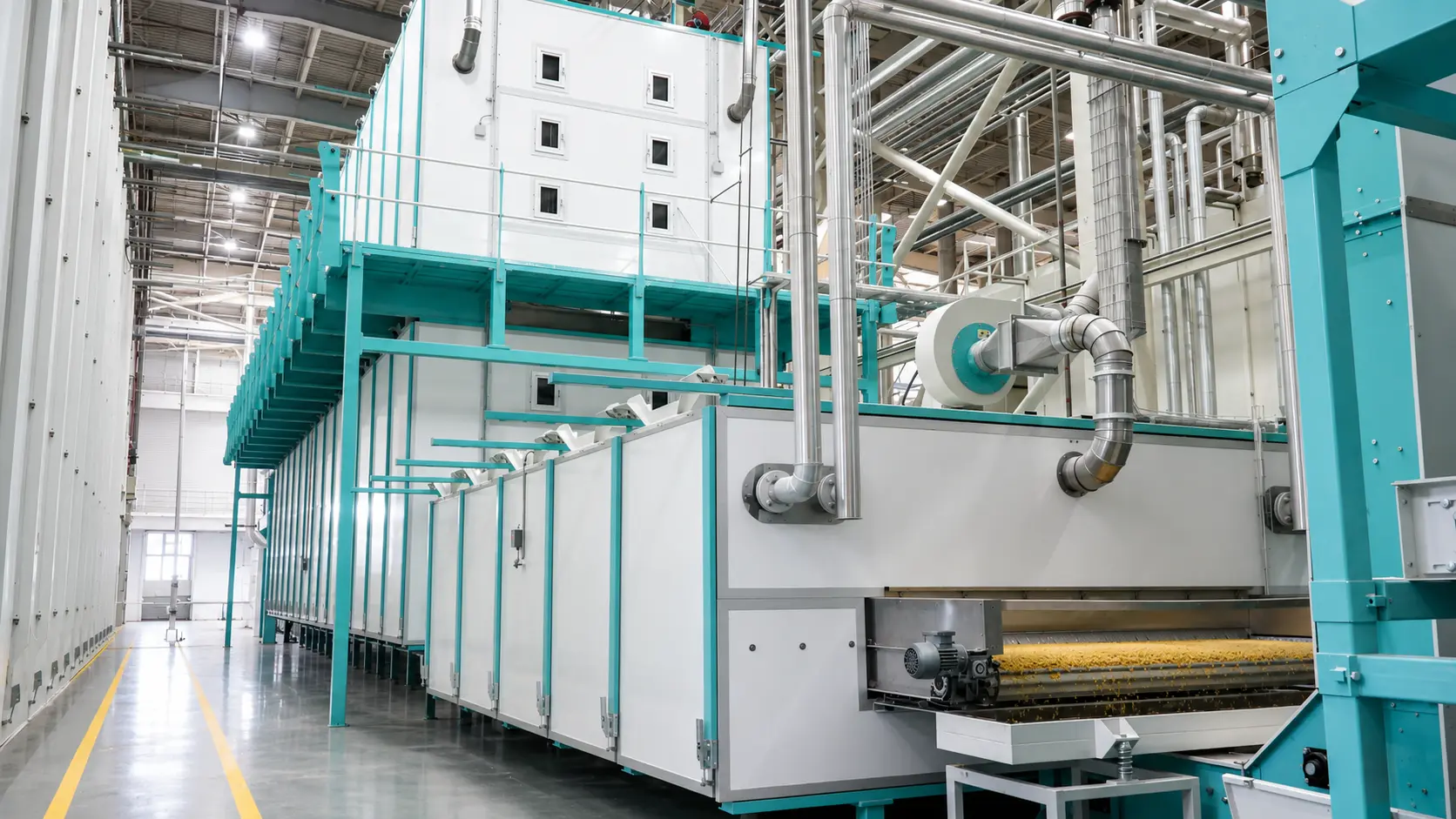
Views from Installed Pasta Production Lines
} else { flagImg.style.display = "none"; } }