
Three Talia Projects in Three Factories of Bangladesh's Largest Food Group
Talia Makina delivered three separate projects for one of Bangladesh's largest food groups, in three factories located in three different cities: a 1,000 kg/h drying system integrated into an existing press in 2016, a 500 kg/h spaghetti line in 2017 and a 1,000 kg/h instant pasta line ordered in the first quarter of 2026, currently under installation. This decade-long partnership began with a single drying system.
The Three Factories at a Glance
Project Story
Bangladesh, one of the most populous countries in South Asia, has a rapidly growing convenience food market. Talia Makina's reference here is a partnership of more than a decade with one of the country's largest food groups — and it began with a single machine: a drying system.
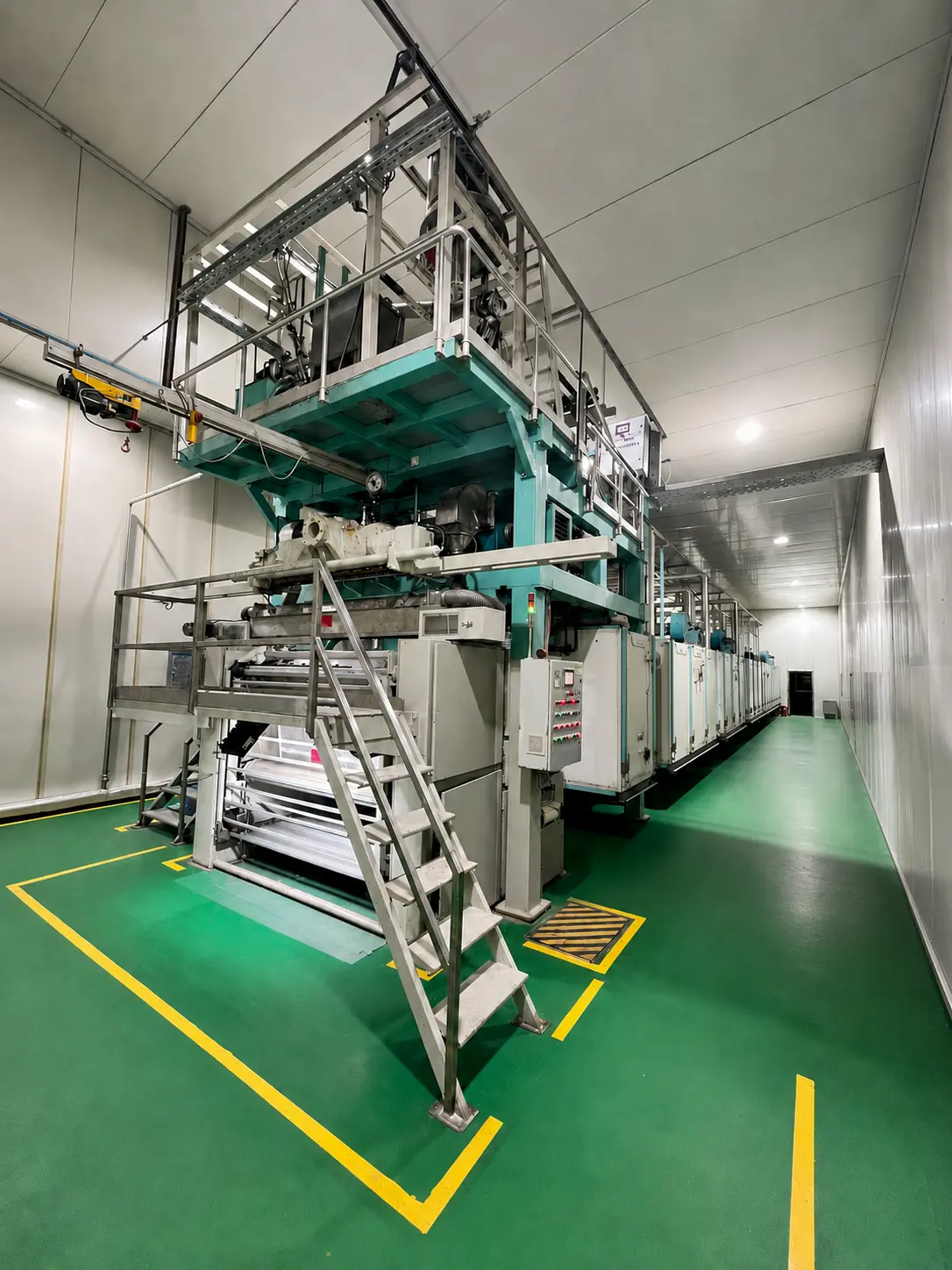
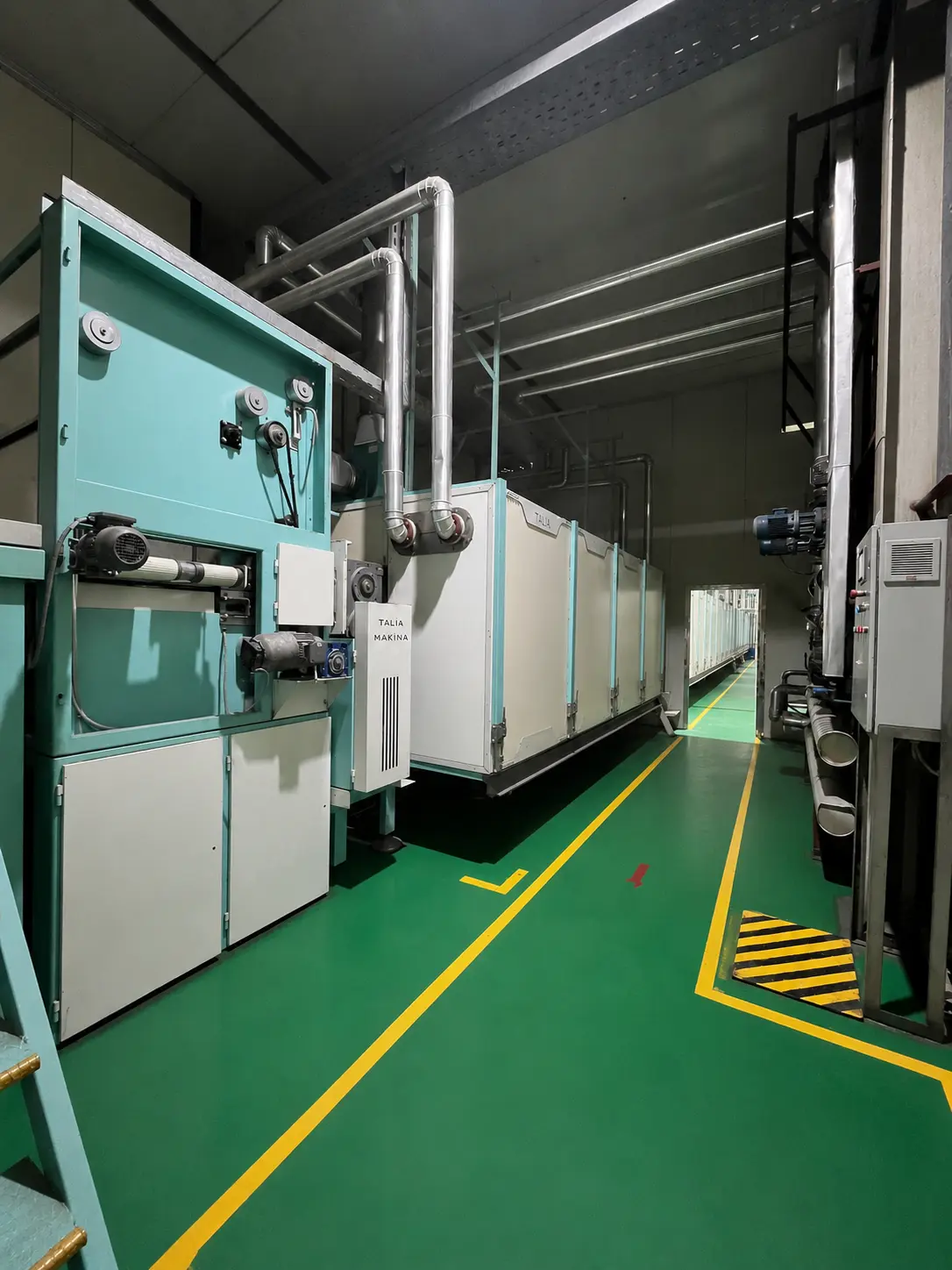
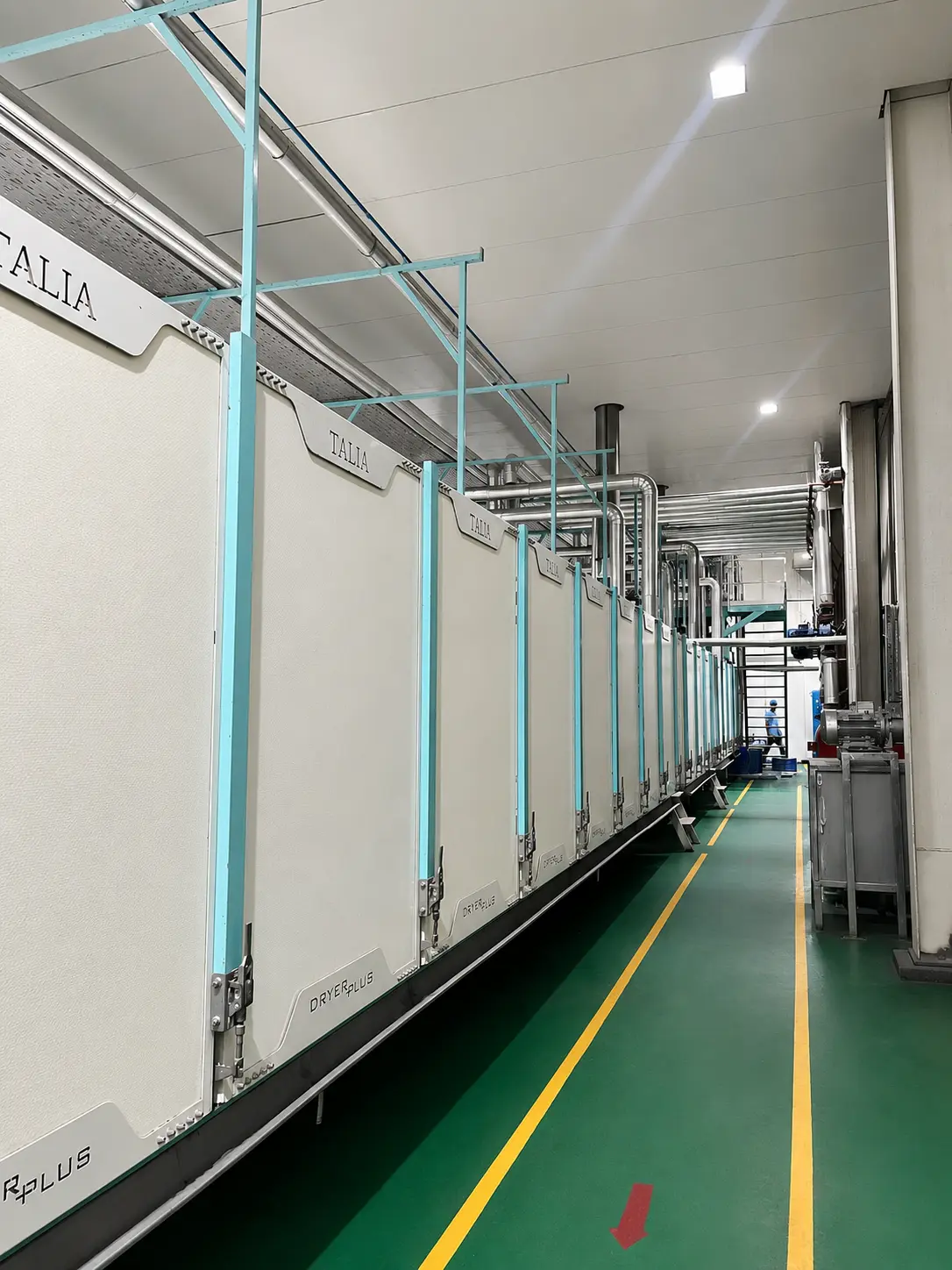
The group had previously been using Italian lines in pasta production. In 2016, when the need for capacity and quality arose on the drying side, it chose Talia Makina: instead of replacing the whole line, a brand-new 1,000 kg/h drying system, manufactured from scratch, was installed to integrate with the existing press. This was a test for us too; adding a new drying system to the most critical section of an installed European line meant the result would be seen directly in product quality.
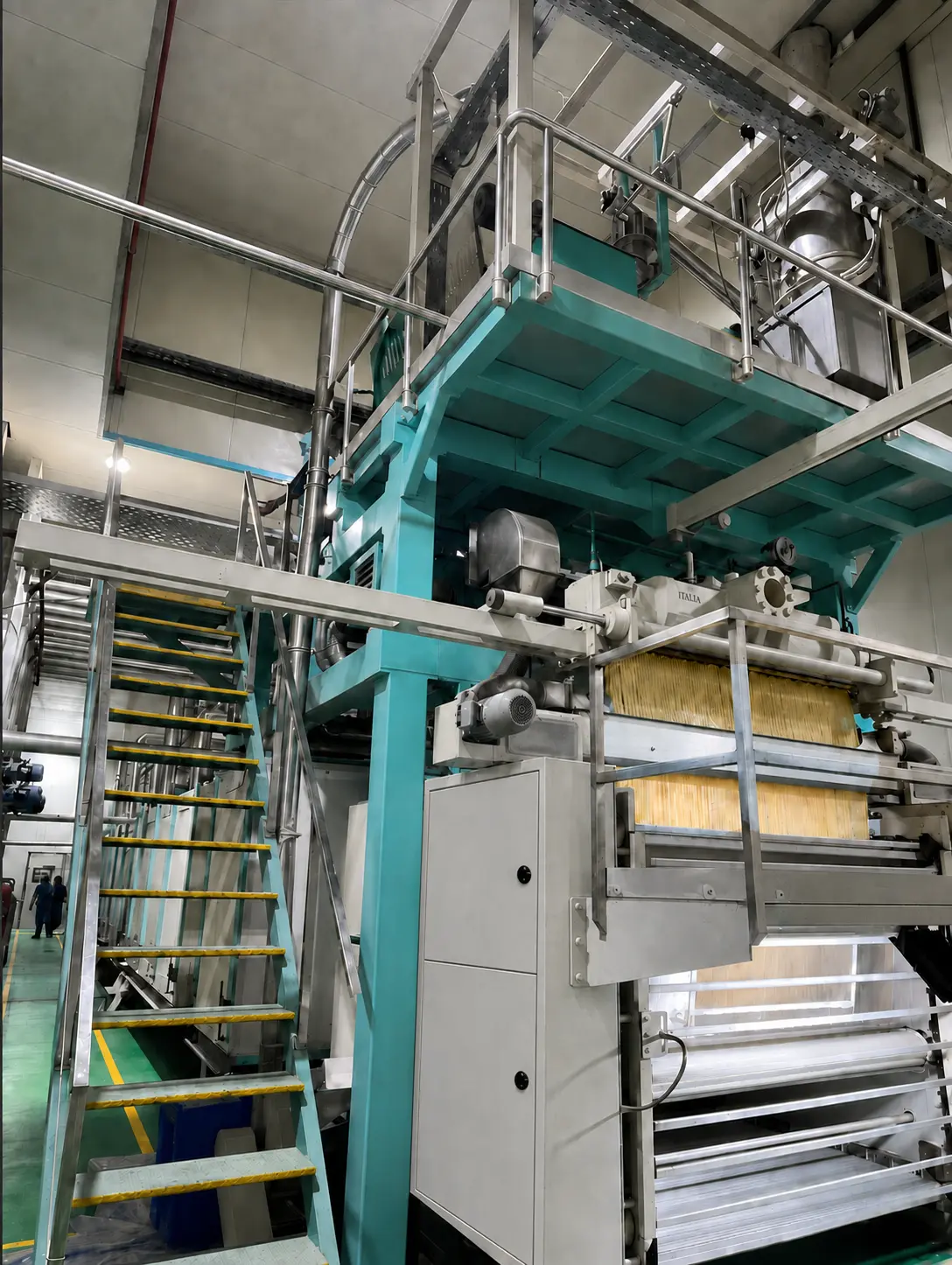
The result led to the continuation of the partnership. Satisfied with the drying performance, the group ordered a complete 500 kg/h spaghetti line a year later — in 2017 — this time for a factory in a different city. The relationship thus moved beyond a single unit and became a turnkey line installation.
And a decade later, the group made the same choice again. In the first quarter of 2026, it placed the order for its 1,000 kg/h instant pasta line with Talia Makina for its third factory; installation work is still ongoing. A producer returning to the same supplier ten years apart, for three separate factories in three different cities, is the most concrete proof of equipment performance and after-sales relationship.
The lines run with an AISI 304 food-grade stainless steel body; the automation uses Siemens PLC with Yaskawa components. On the short-cut side the group produces penne cut, penne, square cut, fusilli, triple fusilli, elbow, noodles, vermicelli and orzo among many other shapes; the spaghetti line produces spaghetti in 1.7 mm diameter.
Total installed capacity of the three projects is 2,500 kg/h — theoretically up to 60 tonnes per day in 24-hour continuous operation. In all of the group's projects, remote support and spare parts supply continue uninterrupted even after the warranty period has ended, including the first drying system commissioned in 2016. With turnkey installations in 18 countries since 2007, Talia Makina supports producers in growing both capacity and product range.
Project Overview
2017 (spaghetti line)
2026 (instant pasta line — under installation)
Turnkey Project Process
Project Results
Installed Line Views
Hover over an image: large preview · Click: full-screen view with navigation.
 Installed Line View 1
 Installed Line View 2
 Installed Line View 3
Frequently Asked Questions
Can a drying system alone be added to my existing pasta line?
Yes. Our partnership in Bangladesh began exactly this way: in 2016 we installed a standalone 1,000 kg/h drying system, manufactured from scratch, to integrate with the group's existing press; the press and the rest of the line remained unchanged. Drying is the section that determines pasta quality most, and it can be built as a new system without fundamentally changing the existing production setup. For producers whose press is operational but whose drying capacity or quality falls short, this is a high-impact solution with a low investment.
Can a producer with an Italian or European line add Talia equipment?
Yes. The group in Bangladesh had previously been using Italian lines and made its first Talia investment with a new drying system integrated into its existing press. Our equipment is engineered to work in integration with existing production lines; the result spoke for itself when the group purchased two more complete lines in the following years.
Which projects were carried out in Bangladesh?
In three factories of the same food group in three different cities: a 1,000 kg/h drying system in 2016, a 500 kg/h spaghetti line in 2017 and a 1,000 kg/h instant pasta line ordered in the first quarter of 2026 (under installation). The total capacity of the three projects is 2,500 kg/h.
What does an instant pasta line produce?
An instant pasta line is for producers who want to offer quick-preparation pasta products to consumers; during production the product passes through pre-cooking and drying stages so that its preparation time is shortened. The group in Bangladesh is extending its product range into this segment with a 1,000 kg/h instant pasta line currently under installation.
Which pasta shapes are produced on the lines in Bangladesh?
On the short-cut side, penne cut, penne, square cut, fusilli, triple fusilli, elbow, noodles, vermicelli and orzo among many other shapes; on the spaghetti line, spaghetti in 1.7 mm diameter; and instant pasta. With circular die changes, more than 30 short-cut shapes can be produced on the same line.
Do customers invest with Talia Makina more than once?
Yes, and Bangladesh is one of the strongest examples. The same group made three separate investments in 2016, 2017 and 2026 — spread across three different factories in three different cities. Being chosen again a decade later is the most concrete indicator of equipment performance and after-sales relationship.
What automation do the lines use?
The lines run on Siemens PLC-based automation with Yaskawa components. Automatic process and drying control is standard; drying parameters are adjusted according to the product and climate conditions.
What do the warranty and after-sales support cover?
All projects are delivered with a 24-month standard warranty. In the Bangladesh projects, remote support and spare parts supply continue uninterrupted even though the warranty periods have ended — including the first drying system commissioned in 2016.
Is remote technical support available?
Yes. The Siemens PLC-based automation system supports remote connection; with authorised access, fault diagnosis, parameter optimisation and software updates can be done remotely, and on-site service is scheduled when needed.
Planning a drying system for your existing line, or a complete new line?
Talk to our team about capacity selection, drying upgrades and line layout.